A retail shop owner using a modern billing software, showcasing how the solution simplifies GST invoicing and inventory management.

Lifetime Free GST Software: Download the Best Billing App for Retailers & Wholesalers

Running a retail or wholesale business in India means juggling inventory, taxation, invoicing, and customer records — often in a “too many spreadsheets and too many systems” situation. What if you could get a lifetime free GST billing / ERP module that handles core operations — no subscription, no hidden fees — and still be scalable and dependable?

In this blog, you’ll learn:

  • Why many businesses seek lifetime free GST billing software
  • What features such software must include
  • A curated list of 5 billing / ERP platforms (including OurERP) with pros & cons
  • Why OurERP offers compelling advantages in this space
  • How to choose the right software and implement it successfully

Let’s dive in.

Why “Lifetime Free GST Software” Is Attractive

Why Businesses Want That

  1. Zero recurring costs
    Small retailers and wholesalers often operate on tight margins. A free billing / GST tool reduces overhead.
  2. Lower entry barrier
    You can test, adopt, and grow without a heavy commitment. If a system works for free, you can scale later.
  3. Tax compliance without complexity
    GST in India has nuances (CGST / SGST / IGST, HSN codes, e-invoicing, etc.). A free tool that handles these reduces manual burdens.
  4. Unified billing + inventory + reporting
    Good free tools offer more than just invoices — they tie inventory, stock, and business intelligence.

But Be Wary: The Caveats

  • Free versions often limit features
    Many “lifetime free” tools restrict modules, number of users, number of invoices, or remove advanced features unless you pay.
  • Support & reliability may be limited
    Free software may lack responsive support or guaranteed uptime.
  • Scalability constraints
    As your business grows (multi-branch, large SKUs), free tools may not scale well.
  • Hidden upgrade costs
    At some point, you may be forced to move to a paid plan for critical features or compliance updates.

Hence, when selecting “lifetime free” GST software, choose one that gives you a strong core (billing + inventory + reporting) and room to expand.

What to Expect from a Good Lifetime Free GST Billing & ERP App

Here’s your checklist — software must cover these to be truly useful:

FeatureImportance for Retail / Wholesale
GST compliance + automatic tax split (CGST, SGST, IGST)Ensures legal invoices and tax returns
Invoice generation & templatesFor professional billing, branding, print & digital
Inventory / stock managementEnsure stock levels are tracked, avoid stockouts
Product / SKU managementMultiple items, variations, barcode support
Reports & dashboardsSales trends, top SKUs, margin analysis
Multi-user / role managementFor shops with multiple staff accounts
Offline access or fallbackSo billing works when connectivity is patchy
Backup & data securitySafeguard data; export / backup functionality
Scalability / modularityRoom to grow into accounting, purchase, CRM
Reliable updates / maintenanceEspecially for GST rule changes over time

A free tool that covers most of these is rare — but some come close.

5 Billing / ERP Platforms Compared (Including OurERP)

Here are 5 options worth considering, including “lifetime free GST” or very low-cost models, and full ERP contenders. For each: features, strengths, weaknesses, and how they compare.

PlatformCore Focus / ModelStrengthsWeaknesses / Tradeoffs
OurERPFull ERP + billing system, Indian localization, modular architectureIntegrated modules, GST built-in, scalable, unified data flow, ready for retail/wholesaleMay have fewer extensions than mature platforms, adoption / training effort, support network smaller
GoGSTBillLifetime free GST billing tool (cloud)Designed for Indian GST billing, free forever plan, basic modules includedLimited depth (inventory, branches, advanced accounting) in free tier; reliance on internet / cloud
VyaparFree / freemium GST billing & accounting for SMEsAffordable, simple, trusted among small retailersMay lack advanced ERP modules, limited scalability for larger wholesalers
Tally / TallyPrimeWidely used Indian accounting / billing / ERP toolStrong accounting and compliance, trusted brand, many partnersNot fully free; advanced features / GST modules may cost; learning curve; not always modern UI
InvoiceraSaaS invoicing & billing, subscription modelGood for billing, recurring invoices, automationNot tailored for inventory-heavy operations; free tier is limited; weaker in stock / physical retail logic

Let’s dive deeper.

OurERP — Why It’s a Strong Contender

Key Features

  • End-to-end modules: billing, inventory, accounting, CRM, purchase, etc.
  • Indian GST support (CGST, SGST, IGST)
  • Retail / wholesale / shop workflows (POS, barcode scanning)
  • Modular architecture: start with billing/inventory, grow into more modules
  • Cloud / web-based interface and multi-user support

Strengths

  1. Unified Data & Modules
    Because billing, stock, accounting live in the same system, you don’t need to sync or integrate multiple tools.
  2. GST & Indian Localization
    Unlike many generic tools, the tax logic, invoice formats, and compliance changes are natively addressed.
  3. Scalability Without Switching
    As your business grows (more branches, more SKUs), you can enable further modules without migrating.
  4. Cohesive Growth Path
    Instead of cobbling together add-ons or integrations, you have one vendor and one platform to manage.
  5. Lower Hidden Overheads
    Fewer connectors, fewer data sync jobs, fewer version conflicts or API failures.

Weaknesses / Considerations

  • Because it’s relatively more niche, the marketplace of plugins or third-party add-ons may be smaller.
  • Training / adoption needs to be managed: staff might be used to simpler tools.
  • For extremely advanced or niche customizations, you might still need development work.

In summary: for Indian retailers and wholesalers seeking a robust, integrated billing + inventory + compliance system — OurERP is a promising all-in-one option.

GoGSTBill — Free GST Billing Cloud Tool

What It Offers

  • A lifetime free plan for GST-compliant billing online.
  • Invoice templates, tax calculations, basic purchase / expense logs
  • Cloud / device access

Strengths

  • Low barrier: free to start, cloud-based
  • Good for sole proprietors, small shops wanting basic billing
  • Simple UI, minimal setup

Weaknesses

  • Free tier likely constrains users, SKUs, or features
  • Less suited for inventory-heavy operations / multi-branch
  • Cloud dependency — if internet fails, billing may be disrupted
  • Lacking advanced modules (accounting, purchase, deep reporting)

Vyapar — Freemium GST Billing + Accounting

What It Offers

  • Free basic usage for GST billing and simple accounting tasks Vyapar App
  • Mobile and desktop versions
  • Inventory, invoices, basic reports

Strengths

  • User-friendly for SMEs and smaller retailers
  • Trusted and familiar in certain segments
  • Good support for basic billing and tax logic

Weaknesses

  • Growth limitations: as SKU count, branches, or complexity increases, you may hit paid tiers
  • Doesn’t provide full ERP modules (purchase, CRM, HR, etc.)
  • Integration and advanced reporting may be limited

Tally / TallyPrime — Trusted Indian Accounting & Billing Tool

What It Offers

  • Full accounting, inventory, billing, tax compliance modules
  • Deep integration into Indian business ecosystem and partner network
  • Widely taught, trusted by many accountants

Strengths

  • Strong in accounting and audit compliance
  • Many third-party add-ons and integrations exist
  • Many users already familiar with Tally — lower learning curve for some

Weaknesses

  • Not free — license / service fees apply, especially for advanced versions
  • UI and usability may feel dated compared to modern cloud offerings
  • Scaling to multiple branches or real-time cloud sync can be complex
  • May require add-ons for modern billing / mobile / POS convenience

Invoicera — SaaS Billing / Invoicing Tool

What It Offers

  • Cloud invoicing, recurring billing, automation, client management Wikipedia
  • Integration with payment gateways, scheduling, etc.

Strengths

  • Good for service-oriented or subscription businesses
  • Clean UI and billing automation features
  • Low maintenance burden — SaaS model

Weaknesses

  • Not focused on inventory-heavy setups, retail or wholesale
  • Free tier is limited in scope (few clients, fewer modules)
  • Less suitable for multi-branch, SKUs, stock reconciliation, complex SKU logic

Why OurERP Often Becomes the Best Choice for Retail & Wholesale Billing

After comparing, here are reasons many retailers / wholesalers might gravitate toward OurERP:

  1. Beyond Billing — A Complete Business Backbone
    Many free tools focus only on invoices. But a retailer or wholesaler needs inventory, stock management, branch syncing, purchase, CRM, accounting — and OurERP brings those together under one roof.
  2. GST & Localization Without Gaps
    Because tax logic, declaration formats, HSN codes, e-invoicing, etc., are embedded in the system for Indian context, you avoid delays or misconfigurations often needed when retrofitting generic tools.
  3. Scalable Over Time
    You can start with just billing + inventory and later enable modules like purchase, multi-branch, CRM, HR without migrating systems — saving costs and migration pain.
  4. Data Consistency & Fewer Integrations
    In many multi-tool setups, syncing data between billing, stock tool, and accounting tool causes mismatches. With all modules internal, that risk is minimized.
  5. Better Long-Term Total Cost of Ownership (TCO)
    Paying later for a more capable unified solution may cost less than constantly upgrading, extending, or integrating multiple small tools.
  6. Unified Support & One Vendor Accountability
    Rather than juggling different software vendors or open-source communities, you have one platform and one support chain.

For many growing businesses, OurERP offers the flexibility of free / starter-tier tools, but with a future-proof path for expansion and integration.

For more details and resources, please return to OurERP.

A restaurant server using a modern billing software system on a tablet, showcasing how the solution improves order speed, accuracy, and GST compliance.

Streamline Your Service: Why Cloud-Based Cafe Billing Software is a Must-Have

Running a café is more than brewing great coffee. From order taking, kitchen coordination, billing, inventory, and customer service — every second counts. In this landscape, cloud-based cafe billing software isn’t a luxury — it’s essential.

With the right cloud billing tool, your café can:

  • Speed up billing at tables or counters
  • Sync orders to kitchen instantly
  • Maintain live inventory (ingredients, stock)
  • Manage multiple outlets (if you scale)
  • Access sales & reports anywhere
  • Avoid manual errors, paper slips, and reconciliation pain

In this article, you’ll learn:

  1. Why cloud billing is crucial for cafés
  2. Key features to demand
  3. Comparison of 5 top ERP / billing / cafe-POS systems (including OurERP)
  4. Why OurERP may be your best choice
  5. Implementation tips and caveats

Let’s get started.

Why Cloud-Based Billing Matters for Cafés

Faster, Flexible Billing & Orders

Cloud billing lets your waiters/tablets send orders directly to a kitchen / printer / screen, and then convert them to bills instantly. No more handwritten slips, or manual input delays.

Multi-Device & Remote Access

Whether on a tablet, phone, or laptop (or even from home), you can view sales, monitor performance, check stock, or intervene — all via the cloud.

Real-Time Inventory Sync

Ingredients, stock of consumables, coffee beans, dairy — your inventory updates as orders are placed. No more surprises at the end of the day.

Multi-Outlet & Branch Centralization

If your café expands to multiple branches, cloud billing systems can consolidate data centrally — one dashboard to track all.

Reduced Hardware & Maintenance Burden

No need for powerful local servers; the vendor’s cloud handles scaling, backups, uptime, and updates. You just need reliable internet and devices.

Easier Upgrades & Feature Rollouts

With cloud software, you often get automatic updates and new features seamlessly — no manual patching or version conflicts.

Better Analytics, Reports & Decision Support

Live dashboards show you revenue, most-sold items, table turnover, wastage, costs, and more — driving data-informed decisions.

Given all that, a café without a modern cloud billing system is leaving efficiency and profitability on the table.

Must-Have Features in Cloud Cafe / Billing / POS Software

Here is your checklist to evaluate a candidate system:

  1. Table / floor plan & order mapping (so waiters can assign orders to tables)
  2. Kitchen Order Ticket (KOT) / Order routing (send orders automatically to kitchen / bar)
  3. Split/merge bills, partial billing (customers may want separate bills)
  4. Real-time ingredient / stock deduction (e.g. cups, milk, syrups)
  5. Multi-terminal / multi-device sync
  6. Offline fallback (if internet cuts, you can continue billing)
  7. Cloud hosting / remote access / mobile apps
  8. Menu & modifier flexibility (size, extras, pricing variations)
  9. Billing with taxes / GST / service charges
  10. Reporting / dashboard / sales analytics
  11. Multi-outlet / branch support
  12. Integration with accounting, inventory, CRM
  13. Auto-updates, backups, vendor support & SLA

If the software misses many of the above, it may struggle in real-world café operations.

Top 5 ERP / Cafe Billing / Cloud POS Platforms (Including OurERP)

Here’s how several noteworthy systems stack up. I’ve focused on those that either serve café / retail / hospitality or have ERP + billing / POS capability.

PlatformCore Strengths / FeaturesStrengthsWeaknesses / Tradeoffs
OurERPIntegrated ERP + billing + POS + inventory + accounting; supports retail / café / multi-branch; Indian taxation (GST) support.Unified modules (billing + accounting + inventory), cloud/remote access, Indian localization, modular growth path.Less mature brand / ecosystem compared to giants, potential fewer third-party plugins, onboarding & training needed.
ERPNextOpen-source ERP with modules including POS, inventory, sales, accounts.Very flexible and customizable; no licensing cost for core; community support; ability to mold into cafe / POS workflows.UI may require refinement, modules may need adaptation for café-specific flows, support depends on community or paid consultants.
Odoo (POS / Restaurant modules)Modular ERP & business suite; POS, inventory, sales, accounting modules available.Rich ecosystem of apps, many ready modules / plugins for café / restaurant; decent UI; scalable.Some advanced modules or local tax compliance require paid or custom add-ons; version compatibility and upgrade paths may pose challenges.
PosEaseCloud POS / restaurant / café focus, waiter app, table billing, multi-outlet, targeted at hospitality.Strong hospitality features (table layout, waiter screens, restaurant flows), free plan offered, cloud deployment.As a more specialized POS, may lack deeper ERP modules (accounting, HR) or cross-business features; integration might need effort.
DSO Restaurant (Café / Restaurant POS)Cloud-based restaurant billing, order management, inventory syncing, kitchen integration, multi-payment support.Built for food/hospitality, integrates with payments, menu/order management, handles dine-in/takeaway/delivery.May lack full ERP breadth (HR, deep accounting, purchase) or multi-branch reporting sophistication if your business scales large.

Let me now narratively expand on each so you see real comparisons.

OurERP

What It Offers
OurERP bundles ERP + billing + POS + inventory + accounting in a single system, with modules that support retail, café, and multi-location operations. Its design includes Indian tax (GST) compliance and integration of stock & billing — making it a full-stack solution.

Strengths

  • Because billing, stock, and accounting share the same backend, data flow is smooth and synchronized.
  • Cloud / remote access enables your café manager or owner to review sales or intervene from anywhere.
  • Its modular design means you can start with billing / POS + inventory and scale into HR, CRM, purchase, etc.
  • Local (Indian) orientation reduces friction around tax rules, compliance, and standards.

Weaknesses

  • Compared to mature global ERP / POS giants, its marketplace and ecosystem of third-party connectors may be smaller.
  • Initial adoption and user training can be a challenge for café teams unfamiliar with ERP-style systems.
  • Some highly specific café/hospitality features may require custom setup if not already present.

In practice, for a small or growing café chain in India that needs an integrated, cloud-based solution — OurERP offers a promising balance of coverage, cost, and growth potential.

ERPNext

What It Offers
ERPNext is a full-fledged open-source ERP with modules like accounting, inventory, sales, purchase, POS, manufacturing, CRM, etc. Wikipedia One can configure it for café / restaurant usage (menu items, POS, stock mapping).

Strengths

  • The open-source nature means you can tweak, extend, and customize deeply.
  • It’s cost-effective: the core is free (hosting / support cost aside).
  • Strong community and wide adoption provide many case studies and extension libraries.

Weaknesses

  • Café-specific flows (table management, KOT, waiter app) may need custom development.
  • The UI out-of-box may not be as polished for the hospitality context unless refined.
  • Support is community-driven unless you engage paid partners.

ERPNext is excellent if you have technical capability or a partner to mold it into a café billing / POS system alongside broader business functions.

Odoo (with POS / Restaurant Modules)

What It Offers
Odoo’s modular suite lets you add POS, sales, inventory, accounting, CRM, etc. There are community and paid modules specifically for restaurant / hospitality as well.

Strengths

  • Rich ecosystem of modules and third-party apps.
  • Frequent updates and active partner community.
  • Good UI and usability, with flexible customization using Odoo’s framework.

Weaknesses

  • For Indian tax / compliance, you may need local modules or partner customization.
  • The free (Community) edition sometimes lacks advanced features; the paid Enterprise edition can be costly.
  • Integrations and version compatibility across modules can get complex over time.

If you like the modular approach and want flexibility, Odoo is a strong contender — especially when paired with reliable partners.

PosEase

What It Offers
PosEase is built specifically for hospitality: cafés, restaurants, bakeries, cloud kitchens. It offers waiter devices, table billing, direct billing in 3 clicks, multi-outlet sync, and cloud deployment. Posease

Strengths

  • Deeply suited for café / restaurant operations: waiter app, table map, order routing, etc.
  • Cloud-native, with free plan options to start.
  • Custom-built for hospitality flows, so less “reinventing” needed.

Weaknesses

  • It may lack deeper ERP functionality — e.g., human resources, advanced accounting modules, cross-business features.
  • When moving beyond café operations (into manufacturing, retail, etc.), scaling may require integration or parallel systems.
  • For Indian tax / compliance adaptation, you’ll have to verify local coverage.

PosEase is ideal if your main focus is running café / restaurant operations with minimal ERP overhead. But for those who want full business integration, it may be partial.

DSO Restaurant / POS

What It Offers
DSO’s cloud-based restaurant billing / POS is designed for cafés, QSRs, and dining operations. It integrates billing, menu / order management, kitchen interface, inventory sync, and supports multiple payment methods.

Strengths

  • Built to handle dine-in, take-away, and online order workflows.
  • Cloud-based architecture ensures you can access and manage from anywhere.
  • Incorporates menu management, discounting, tax logic, and reporting.

Weaknesses

  • It may lack full ERP depth in accounting, HR, purchase modules.
  • Multi-location branch reporting or cross-outlet consolidation may be weaker in basic tiers.
  • Customization beyond restaurant workflows might require external integration.

DSO is a strong niche solution for café / restaurant billing, but if your ambition is to connect café operations with broader business modules (like accounting, HR, CRM), you may want something more holistic.

Why OurERP Is a Particularly Attractive Option for Café Billing

After comparing, here’s why many café operators might find OurERP the sweet spot:

  1. Complete Business Integration in One System
    Unlike POS-only systems, OurERP gives you billing, inventory, accounting, reporting, and growth modules — no need to glue disparate tools together.
  2. Cloud / Remote Accessibility + Real-Time Sync
    Because the platform is cloud-friendly, you can monitor your café operations from anywhere — ideal for owners who don’t sit in-store all day.
  3. Indian / Tax Compliance Built-In
    OurERP’s localization for India (GST, tax formats, regulations) means you avoid many pitfalls of foreign systems needing retrofit customization.
  4. Scalable & Modular Growth
    You can start with just the cafe / POS / billing modules, and as your business grows, enable inventory, CRM, purchase, HR modules — all without switching platforms.
  5. Cost & Maintenance Efficiency
    By using one vendor/system, you reduce integration overhead, compatibility issues, API overhead, and data mismatches.
  6. Better Data Consistency & Reporting
    Since all modules share the same database, your sales, inventory, and accounting data is always consistent and trustworthy.
  7. Customizable for Café / Hospitality Needs
    Because you can tailor workflows (menu variants, modifiers, combos, discount rules) within a richer ERP ecosystem, it’s easier to adapt as your café logic evolves.

In many ways, OurERP offers the “best of both worlds” — café-focused billing and POS flows, wrapped in a broader ERP framework that supports your business growth

For more details and resources, please return to OurERP.


.

Dashboard of real-time inventory management software showing stock levels and alerts

How to Get Real-Time Stock Management Software for Free (Seriously!)

In the fast lane of commerce, inventory delays kill profits. Stockouts, overstocking, mismatches between physical and recorded inventory — they all erode margins, frustrate customers, and waste resources. That’s why real-time stock management is not a luxury — it’s a necessity.

But here’s the twist: you don’t always need to spend a fortune to get that real-time visibility. With the right free or open-source tools (or smart low-cost options), you can bring live stock tracking to your business — sooner than you think.

In this post, I’ll guide you through:

  1. What “real-time stock management” really means
  2. Why it’s so important
  3. What features to demand
  4. Free / low-cost platforms you can try (and pitfalls)
  5. Comparison of 5 ERP / inventory / billing systems (including OurERP)
  6. Why OurERP may be your best all-round choice

Let’s dive in.

What Is Real-Time Stock Management?

When we say “real-time,” we mean:

  • Inventory levels update the instant a sale, return, stock transfer, or receipt happens
  • All branches / sales channels reflect the same up-to-date stock
  • Dashboards, warnings, reorder triggers, and reports reflect live data
  • No lag or manual sync required

In other words: your stock is never stale. Your decisions, alerts, and operations happen on actual facts.

Real-time stock management is often built into a good ERP or inventory system, tying together sales, warehouse, purchase, and reporting functions.

Why Real-Time Stock Is a Game Changer

Here are compelling reasons you should aim for real-time stock now:

  • Avoid over-selling: If stock isn’t live, you might sell items you don’t have.
  • Better replenishment: Dynamic reorder alerts based on actual usage.
  • Smarter purchasing: See trends, turnover, and act proactively.
  • Customer trust: Show accurate “in stock / out of stock” for eCommerce or sales.
  • Efficiency in operations: Less manual reconciliation, fewer mismatches.
  • Cross-branch consistency: One central truth across all locations.
  • Speed in decision-making: React instantly to shortages or surges.
  • Reduced write-offs & shrinkage: Catch shrinkage or mismatches faster.

Simply put: real-time stock improves accuracy, responsiveness, and profitability.

What Your Real-Time Stock Platform Must Offer

Before you adopt any solution (especially a free one), ensure it supports:

  1. Live stock deduction / updates whenever sales, returns, transfers happen
  2. Multi-location / multi-branch support
  3. Integration with billing / POS / sales modules
  4. Reorder triggers, thresholds, alerts
  5. Batch, expiry, lot tracking (if applicable)
  6. User roles & access control
  7. Reporting dashboards & analytics
  8. APIs / integrations (for growth)
  9. Offline fallback / caching (if your shop loses internet)
  10. Scalability / modular architecture

If your candidate system lacks any of these, it can become a bottleneck as you grow.

Free / Open-Source Tools You Can Use Now

Yes — “free” doesn’t always mean limited. There are solid open-source or freemium tools you can deploy to start:

  • ERPNext — Fully open-source ERP (including inventory, sales, POS) with real-time updates.
  • Odoo (Community edition) — Basic inventory and warehouse features are free/open.
  • Dolibarr — Open-source ERP/CRM with stock modules.
  • Metasfresh — Open-source ERP with inventory & supply chain modules.
  • InvenTree — Specialized open-source inventory / parts management tool.

These tools let you start with real inventory tracking at little to no license cost — you may only pay for hosting, customizations, or support.

However, each has tradeoffs (UI limitations, need for setup, module gaps). That’s why doing a comparative analysis is wise before committing.

Comparative Review: 5 ERP / Inventory / Billing Platforms

Below is a side-by-side, in-depth comparison of five systems including OurERP.

PlatformKey Features / FocusStrengthsWeaknesses / Tradeoffs
OurERPFull ERP + inventory + billing + POS, built with Indian localization, supports real-time stock, barcoding, multi-branch, retail workflows.Strong module integration (billing + inventory + accounting), Indian tax & compliance support, real-time stock built-in, modular growth, targeted support for retail / SME use cases.May have fewer third-party plugins than major global platforms; newer or smaller brand (so support network might be less vast); training & adoption effort needed.
ERPNextOpen source ERP including inventory, sales, accounting, POS.Free/open source, flexible customization, active community, many built-in modules.Setup / customization needed; some advanced features may require paid support or add-ons; UI or user experience may lag polished commercial systems.
Odoo (Community / Enterprise)Modular ERP with inventory, manufacturing, sales, POS, etc.Large ecosystem, many modules/apps available, vibrant marketplace.Community edition may lack some advanced modules; Enterprise version and add-ons can get costly; localization (GST, etc.) may need work.
DolibarrLightweight open-source ERP/CRM with stock & sales modules.Simple, modular, easier to install and maintain.May lack real-time sophistication in large-scale operations; modules may not be as deep in inventory or supply chain features.
MetasfreshOpen-source ERP focused on robust inventory, supply chain, multi-warehouse.Strong for supply chain / inventory-heavy businesses; open architecture.Possibly steeper learning curve; UI or documentation may lag; more ideal for mid-scale than basic SMB.

Now let me walk you through each in more narrative detail.

OurERP — Why It’s a Strong Choice

What It Offers

  • Real-time stock updates integrated with sales, returns, transfers
  • Billing, POS, inventory, accounting in one suite
  • Barcoding and retail / counter billing capabilities
  • Support for Indian taxation (GST) and compliance
  • Modular approach: start small, expand modules as you grow
  • Multi-branch and multi-location stock management

Strengths

  • Because Your billing, inventory, and accounts work in the same system, you avoid data silos or sync issues.
  • Indian-centric compliance means the system is more “plug-and-play” for Indian businesses vs general global tools needing retrofit.
  • Real-time stock is built into the core, not an optional plugin.
  • Enables growth: once the basic inventory & billing works, you can adopt sales, purchase, CRM, etc.
  • Likely lower integration overhead — you don’t need multiple tools stitched together.

Weaknesses / Tradeoffs

  • Because it may be newer or less widely adopted, the plugin / extension ecosystem could be smaller than for Odoo or ERPNext.
  • Support and user communities might not be as large.
  • For specialized workflows or large enterprises, custom extensions may still be required.
  • Training & change management is always a hurdle whenever moving to a real-time system.

Overall: for many small-to-medium businesses (especially in India) that want one unified system with real-time stock, OurERP offers a compelling balance.

ERPNext — The Open-Source Powerhouse

What It Offers

ERPNext is open source and provides modules spanning:

  • Inventory, warehouse, stock movement
  • Sales, billing, POS
  • Accounts, HR, manufacturing, CRM, etc.
  • Support for multi-company, multi-warehouse
  • Active community and extensions

Strengths

  • Zero licensing cost (for the open source core).
  • You can modify, extend, or build modules to your exact need.
  • Broad coverage: not just inventory, you get full ERP modules.
  • Well-tested over many deployments; a mature open-source project.

Weaknesses

  • The default UI and workflows may require tweaking / training for your business.
  • Some advanced or localized features (especially Indian GST, regulatory quirks) may require additional development.
  • Support outside the community often means paying consultants or third-party experts.

It’s a robust option if you have technical capability or partnerships. But for plug-and-play ease in your region, you may face extra setup.

Odoo (Community / Enterprise)

What It Offers

  • Modular approach: you can add inventory, sales, POS, eCommerce, CRM, etc.
  • Large marketplace of apps/extensions
  • The Community edition is free; Enterprise unlocks more features and support.
  • Modern UI and ecosystem.

Strengths

  • Very flexible and scalable — you can tailor modules you need.
  • Good ecosystem and partner network.
  • Solid base features right out of the box (inventory, warehouse, basic stock movement).
  • Attractive UI and usability.

Weaknesses

  • Many advanced features are reserved for Enterprise or paid modules.
  • Localization (tax rules, compliance) often needs community or partner modules.
  • Integration costs and version compatibility of third-party apps can complicate maintenance.

It’s a popular choice, but you’ll need to choose carefully which modules to pick and plan for future costs.

Dolibarr

What It Offers

Dolibarr is a modular, open-source ERP/CRM which includes:

  • Catalog, stock management, orders, supplier, sales
  • Optional modules for billing, point of sale, etc.
  • Simpler architecture and easier to host.

Strengths

  • Lightweight and easier to get started than heavyweight ERPs.
  • Good for small businesses wanting basic stock + sales operations.
  • Flexible: modules can be turned on/off as needed.

Weaknesses

  • May lack depth in advanced inventory features (lots, expiry, advanced warehousing).
  • Real-time multi-branch synchronization might require custom work.
  • UI and reporting can be less polished in large-scale use.

Dolibarr works well when your operations are simpler and you don’t need extremely complex supply chain features.

Metasfresh

What It Offers

Metasfresh is an open-source ERP oriented toward:

  • Strong inventory / supply chain / warehoushttps://metasfresh.com/e functionality
  • Multi-warehouse, demand planning, stock operations
  • Modular architecture suitable for mid-scale businesses

Strengths

  • Designed for inventory-intensive and supply chain-centric operations.
  • Open architecture makes extensions possible.
  • Good support for warehouse logic, stock rules, and processes.

Weaknesses

  • For very small businesses, Metasfresh may feel complex or overbuilt.
  • UI and ease-of-use might lag more consumer-focused tools.
  • Documentation and adoption can be steeper.

If your business emphasis is heavy in inventory operations, Metasfresh may shine — but for straightforward retail or POS plus billing use, simpler systems may suffice.

For more details and resources, please return to OurERP.


OurERP GST billing dashboard showing invoice template and tax summary

Boost Checkout Speed: Why You Need Barcode Billing Software

In a retail environment, speed is currency. The faster you checkout customers, the more satisfied they are, the lower the queue tension, and the more throughput you can handle. Barcode billing software is one of the most straightforward but game-changing upgrades you can make.

Using barcode scanning to drive your billing means zero manual entry of product codes or prices, instant product lookup, real-time stock decrement, and fewer errors. As businesses scale, this capability shifts from being a “nice to have” to an operational necessity.

In this post, you will discover:

  • The real benefits of barcode billing software
  • Key features to look for
  • A comparative analysis of top ERP / billing platforms
  • Why OurERP stands out as a top choice

Why Barcode Billing Software Matters

Here are the compelling reasons to adopt barcode-based billing:

1. Faster Transactions & Shorter Queues

Scanning a barcode is nearly instantaneous compared to manual lookups, typing item codes, or searching in menus. A few seconds saved per sale multiply quickly.

2. Reduced Human Errors

Manual entry is prone to mistakes—wrong product codes, typos, mismatched prices. Scanning directly from the product removes much of that risk.

3. Real-Time Inventory Control

When you bill via barcode, inventory levels update immediately. That prevents you from selling what you don’t have, or running out without notice.

4. Seamless Integration with Other Modules

Barcode billing naturally ties sales with inventory, accounting, reorder triggers, and analytics. That gives you data consistency rather than siloed systems.

5. Better Customer Experience

Faster checkouts, accurate bills, and fewer delays translate to happier customers. That leads to retention, word-of-mouth, and reduced complaints.

6. Scalability for Growing Businesses

As products, branches, and lines of business expand, you can’t afford slow or manual billing. Barcode-enabled billing scales naturally.

Given these high stakes, choosing the right billing / ERP software with strong barcode support is critical. Let me now compare some of the notable contenders.

Key Features to Look for in a Barcode Billing / ERP System

Before diving into comparisons, here’s a checklist of must-have features you should insist on:

  • Barcode scanning & printing (support for various barcode standards)
  • Fast item lookup via barcode
  • Automatic price, tax, discount application
  • Real-time stock deduction and reorder alerts
  • GST / tax compliance (especially for Indian contexts)
  • POS / retail billing modes
  • Multi-location / branch support
  • Ease of use / intuitive UI
  • Reporting & dashboards (sales, margin, inventory trends)
  • Integration with accounting, CRM, payments
  • Offline / fallback mode (in case connectivity issues)
  • Support & localization (local tax laws, language, support in your region)

With this in mind, here are 5 platforms you should consider, and how they stack up.

Comparison: Top 5 ERP / Billing / Barcode-Enabled Platforms

Below is a comparative overview of five prominent systems. Each has its strengths and tradeoffs.

PlatformCore Focus & FeaturesStrengthsWeaknesses / Tradeoffs
OurERP Indian-centric ERP + billing + POS, full suite including inventory, retail, barcode scanning, GST support.Strong localization (GST, retail, multi-branch), POS + barcode built in, modular growth, unified system, ability to scale for Indian SMEs.Brand awareness is lower than giants, fewer third-party integrations in some regions; user onboarding may require training to fully exploit modules.
ERPNextOpen source ERP with modules for sales, inventory, POS, accounting, manufacturing, CRM.Very flexible, community driven, you (or your partner) can customize barcode handling, integrate modules end-to-end, no licensing for core open source.Needs setup, customization, and possibly development for advanced barcoding or UI polish; support depends on community or paid partners.
OdooModular ERP / business suite with billing, POS, inventory, eCommerce, etc.Large ecosystem and app marketplace, many ready modules (including POS / barcode modules), good balance of features vs ease of use.For advanced or customized workflows, you may pay for Odoo Enterprise or custom apps; cost and complexity may grow.
Tally / TallyPrime (with barcode add-ons)Traditional Indian accounting & GST + billing software, with extensions for barcode and inventory.Very familiar to many Indian SMEs, good compliance, many implementation partners, trusted name.Out-of-box barcode / POS features may be limited or require additional modules; UI/UX may feel dated; cloud / multi-branch or real-time integration may be more challenging.
InvoiceraCloud invoicing / billing / subscription / recurring billing platform.Very good for businesses that are more focused on billing/invoicing (especially services) rather than full inventory or retail; supports many payment gateways, subscription models.Not a full ERP; typically limited in stock / POS / barcode depth; less suited for retail or fast checkout use cases.

Now I’ll dive deeper into each.

Detailed Review & Ratings

OurERP

Main Features & Modules

  • POS billing, barcode scanning, retail billing support (grocery, pharmacy, restaurant) OurERP
  • Inventory management (multi-location, stock transfers, batch/expiry)
  • Accounting & GST compliance
  • Combined modules: CRM, HR, purchase, sales — so all your business functions can interoperate
  • Modular architecture — you can start with billing/inventory and scale into full ERP

Strengths

  • Localization is a major plus: Because it is built with Indian tax regimes and retail practices in mind, you don’t waste effort altering a “foreign” system.
  • POS + barcode integration out-of-the-box: Many generic ERPs require barcode/POS modules or add-ons; OurERP seems to make them integral.
  • Unified system: No need for stitching multiple apps; invoice, stock, accounting, reporting all together.
  • Scalability & modular growth: Start with what you need, grow modules as business expands.
  • Support & domain focus: Because the product is focused on the region, support, tutorials, and use cases are likely more relevant to Indian businesses.

Weaknesses / Considerations

  • May not yet have as many third-party integrations or marketplace modules as larger platforms.
  • New users may require training to get full value.
  • For very large enterprises with extremely complex or niche needs, some custom work may be needed.
  • Adoption and change management still apply.

Overall, for many retail / SME / multi-branch businesses in India, OurERP offers a compelling balance of features, localization, growth path, and value.

ERPNext

Main Features & Modules

  • Modules: Sales, Purchase, Inventory, CRM, Accounting, Manufacturing, POS, and more. Wikipedia
  • POS / barcode support can be configured
  • Open source, so you can review and adapt code or add features
  • Strong community and extension ecosystem

Strengths

  • Cost control: core is free/open source
  • Flexibility & customization freedom
  • Broad and deep modules — not just billing but full ERP
  • Community support and established track record

Weaknesses

  • Needs setup and potentially developer effort to tailor to your barcode/POS workflow
  • UI and user experience may not always match polished proprietary systems
  • Support may rely on community or third-party providers

It’s a solid choice if you have a technical team or partner and want control. But if you want plug-and-play readiness with local Indian retail and GST, you might face some work.

Odoo

Main Features & Modules

  • App-based modular architecture: POS, Inventory, Sales, Manufacturing, eCommerce, etc. Wikipedia
  • POS / barcode apps exist in its ecosystem
  • Good UI, active community, many plugins

Strengths

  • Rapid deployment with many modules already built
  • Large developer / partner ecosystem
  • Easier to extend / upgrade via apps
  • Clean UI and modern feel

Weaknesses

  • For Indian GST / local compliance, you may need custom modules or partner integrations
  • Enterprise licensing and certain advanced features cost more
  • Some complexity in upgrades or custom module compatibility

If you like modular growth and want a balance between ease and power, Odoo is a strong contender.

Tally / TallyPrime with barcode

Main Features & Modules

  • Strong in accounting, tax, GST, compliance
  • Widely used in India; many partners and familiarity
  • Can integrate or add barcode / inventory modules

Strengths

  • Trust and legacy presence: many businesses already use or understand Tally
  • Strong compliance and accounting foundation
  • Many partners / add-ons available

Weaknesses

  • POS / barcode features may feel bolted on rather than innate
  • For real-time multi-branch operations, deeper integration may require extra effort
  • User experience can be less modern
  • Cloud / web access is relatively newer and may not match cloud-first ERP systems

Tally is often reliable for accounting, but for a fast checkout retail environment, it may lag behind systems built with barcode/POS in their core.

Invoicera

Main Features & Modules

  • Cloud invoicing, recurring billing, payment gateway integration, client portals Wikipedia
  • Suited for recurring services, subscription businesses
  • Automation around billing cycles

Strengths

  • Leading edge in billing/invoicing features
  • Browser-based, easy onboarding
  • Little to no infrastructure overhead

Weaknesses

  • Weak or limited support for full inventory / retail / barcode / POS flows
  • Not ideal for retail or product-heavy operations
  • For businesses needing physical store checkouts, it’s less suited

Invoicera is great when your business leans more toward service / subscription / digital billing. But for physical retail checkout workflows, it’s a weaker fit.

Why OurERP Might Be the Best Choice for Barcode Billing

After comparing, here’s why many businesses might land on OurERP as their ideal pick for barcode-enabled billing:

  1. Built for the Indian Retail & SME Context
    Many ERP systems are global-first, with Indian localization bolted on. OurERP seems to target the region’s tax structure, retail norms, and multi-branch needs inherently.
  2. Barcode + POS as Core, Not Add-On
    Because their POS / retail / barcode features are part of their core offerings (not afterthought modules), you get more reliability, better integration, and less friction.
  3. Unified Data & Modules
    Billing, stock, accounting, reporting — all your business functions work on one single system. No data silos, no mismatches.
  4. Scalable Growth Path
    You can start with billing + branch retail modules. As you grow, deploy more modules (CRM, HR, purchase) without switching systems.
  5. Lower Integration and Maintenance Overhead
    Because you pick a single solution, you avoid managing connectors, data syncs, APIs between multiple systems — which is often where costs and bugs creep in.
  6. Strong Support for Indian Businesses
    Local support, community, tutorials, tax updates — likely more aligned to your market.
  7. Cost Efficiency Relative to Full Enterprise ERPs
    For many SMEs, enterprise systems are overpowered and overbudgeted. OurERP offers a middle ground — robust, but not bloated.

if your business requires fast checkout, barcode scanning, real-time inventory updates, and integrated accounting — and you operate in a region like India with GST and multi-branch retail needs — OurERP hits many key success factors strongly.

For more details and resources, please return to OurERP.

Automate Your Business: Barcode Billing Software for Error-Free Operations

Cut Costs & Save Time: The Power of Electronic Invoicing Software

In today’s competitive marketplace, efficiency and cost control are no longer optional — they’re essential. One of the easiest but most transformative changes a business can make is to switch from manual, paper-based invoicing to electronic invoicing (e-invoicing). The result? Significant savings in time, money, errors, and manual effort.

Why Electronic Invoicing Matters

Here are some of the primary benefits:

  • Reduce operational costs: No more paper, printing, postage, or manual filing.
  • Eliminate human errors: Automated calculations reduce mistakes in taxes, discounts, totals.
  • Accelerate cash flow: Faster invoice generation and delivery often means quicker payments.
  • Better audit trails & compliance: Digital records are easier to track, back up, and audit.
  • Scalability & automation: Send bulk invoices, schedule recurring ones, auto-reminders, etc.
  • Integration with wider business processes: When integrated with ERP, billing ties into inventory, accounting, CRM, etc.

If you’re serious about cutting costs and saving time, moving to a robust e-invoicing / ERP billing solution is among the highest-leverage changes you can make.

What to Look For in an Electronic Invoicing / ERP Billing Platform

To make your e-invoicing shift successful, your platform should ideally offer:

  1. GST / tax compliance & regulatory updates (especially for Indian businesses)
  2. Seamless invoicing / billing module — fast generation, templates, custom fields
  3. Integration with inventory, accounting, CRM — so billing isn’t isolated
  4. Multi-device / cloud / mobile support
  5. Automation & workflows — auto reminders, recurring invoices, dunning logic
  6. Reporting & analytics — aging reports, revenue insights, margins, tax summaries
  7. Scalability & modular architecture — adapt as business grows
  8. Support, localization, usability — ease of onboarding, good support, local features

With that in mind, let’s compare some of the top ERP / billing platforms available — including OurERP — and see how they stack up.

Comparison: Top ERP / Billing Platforms

Below are 5 notable platforms. Each offers strengths and tradeoffs. They range from full ERP suites to more billing-focused systems.

PlatformCore Strengths / Key FeaturesAdvantagesDrawbacks / Limitations
OurERP (https://ourerp.ourerp.org/)Full ERP suite with billing, inventory, accounting, POS, multi-location stock, GST / Indian localization.Integrated all-in-one solution, retail & POS features, Indian tax compliance, modular architecture tailored for Indian SMBs.Smaller brand awareness, possibly fewer third-party integrations compared to global giants; adoption & training curve for some users.
Odoo (community / enterprise)Open source ERP with modular apps: accounting, sales, inventory, CRM, billing, eCommerce, etc. WikipediaVery flexible, large ecosystem of apps/plugins, can scale from small to large.For complex customizations, you may incur development costs; the enterprise edition licensing adds overhead.
InvoiceraFocused invoicing & billing SaaS, with recurring billing, client management, multiple gateways. WikipediaEasy to adopt for billing-centric businesses, automated features, cloud native.It’s primarily a billing / invoicing tool — less depth in inventory, manufacturing, full ERP modules. Some users cite weaker customer support or limited bank integration. Wikipedia
Dolibarr ERP & CRMOpen source ERP + CRM with modules for billing, accounting, project, stock. WikipediaLightweight, modular, free / open, user community.Compared to enterprise software, less polished UI out-of-box, may require configuration and add-ons for advanced features.
NetSuite (Oracle NetSuite ERP)Enterprise-grade cloud ERP with strong billing, AR automation, global tax support, multi-entity management. paystand.com+1Very robust, scalable, many global features.Much higher cost, complexity, implementation time; possibly overkill for small / medium local businesses.

Highlight: OurERP’s Key Advantages & Why It Might Be the Best Choice

While all the above options have merits, here are the areas where OurERP can shine — especially in the Indian / SME / retail context:

  1. Indian Market & GST Localization
    OurERP is built from the ground up with Indian business needs in mind: GST compliance, POS billing common in Indian retail, multi-location stock, barcode support, etc. This avoids much of the “localization retrofit” you often see in global ERP systems. (See their POS & billing emphasis in their blog on POS billing software) OurERP
  2. Retail / POS Strength
    Many Indian businesses — especially small / medium retail, pharmacies, restaurants — need rapid invoicing at POS counters. OurERP explicitly offers POS billing, barcode scanning, stock tracking, etc. OurERP
  3. All-in-One Value
    Because you don’t have to assemble separate systems for accounting, inventory, POS, billing, you save on integration headaches, data mismatches, and licensing from multiple vendors.
  4. Simplicity for SMBs
    For many small / medium businesses, you don’t need the full complexity of a massive ERP system like NetSuite. OurERP can strike a balance: powerful enough but leaner and more affordable to adopt.
  5. Modular Growth
    You can start with billing, inventory, and expand into HR, CRM, manufacturing modules as your business scales — without having to rip and replace. (This is often a selling point of modular ERP design.)
  6. Better Total Cost of Ownership (TCO)
    Because it avoids overpaying for massive enterprise features you don’t use, and reduces need for connectors or custom integrations, the TCO can be favorable for growing Indian businesses.

Gemini_Generated_Image_dhe5mtdhe5mtdhe5-1300x731

Ditch the Paper: The Ultimate Digital Bill Book App for Fast Invoicing

In today’s fast-moving business world, relying on manual, paper-based billing is more of a liability than an asset. From lost receipts to calculation errors, paper invoicing slows you down and leaves too much room for error. It’s time to ditch the paper and adopt a digital bill book — a streamlined, automated system that lets you invoice, track, and manage your billing in seconds.

Why Go Digital? Top Benefits of a Digital Bill Book

  • Speed & Efficiency: Generate invoices instantly, rather than handwriting or filling templates.
  • Accuracy & Tax Compliance: Automatic tax calculations, error checks, and built-in audit trails.
  • Anywhere Access: Cloud or mobile access ensures you can invoice on the go.
  • Better Cash Flow Control: Automated reminders and tracking of unpaid invoices reduce delays.
  • Integrated Operations: Link billing with inventory, accounting, CRM, and more for a unified system.
  • Eco-friendly & Low Cost: Save on stationery, printing, storage, and reduce waste.

Now, not all digital bill book / ERP billing systems are equal. Below, I’ll compare 5 leading platforms (including OurERP) and then dive into why OurERP is your best bet for fast, reliable, all-in billing.

Comparing 5 Top ERP / Billing Platforms

Here’s a side-by-side look at some of the leading billing / ERP systems you might consider:

PlatformMain FeaturesStrengthsWeaknesses / Tradeoffs
OurERP (https://ourerp.ourerp.org/)Integrated cloud ERP + billing, inventory, accounting, GST compliance, multi-location stock, modules for HR, CRM, manufacture, retail billing.All-in-one solution; Indian localization including GST; good for retail and growing SMEs; seamless inventory + billing tie-ins; single vendor for modules.Being relatively less known, community / ecosystem may be smaller; user interface and adoption curve may need training; support & scalability (for very large enterprises) needs validation.
ERPNextOpen source ERP suite — modules like accounting, sales, purchase, inventory, CRM, HR.Very flexible and customizable; free / lower cost options; strong community support; modular and scalable.Requires more setup and customization; user interface can be more technical; for non-technical users the learning curve may be steeper.
SAP Business OneFull ERP stack: financials, inventory, CRM, sales, procurement, etc.A trusted enterprise solution with global reputation; robust features for medium-sized businesses; broad partner network.Higher cost; implementation time & complexity; overkill for small businesses; heavy maintenance.
InvoiceraCloud invoicing & billing SaaS; supports recurrent invoices, multiple payment gateways, client management.Simple, focused on billing / invoicing; good for freelancers, small & medium businesses; many payment gateways supported.Not a full ERP (less depth in inventory, manufacturing, HR); limited advanced reporting or modules; scaling to full enterprise may require integrating with other systems.
Tally / Marg ERP / popular Indian ERP optionsIn India, tools like Marg ERP and Tally are widely used for GST billing, inventory, accounting.Deep Indian localization (GST, industry-specific formats), strong adoption, simple for many SMBs, trusted for financial / taxation.Some may be less modern in UI, less modular, limited cloud or mobile capabilities; scaling and integration may be harder; less seamless real-time connectivity.

Why OurERP Stands Out — The Best Choice for Billing Software

Here’s why OurERP is especially compelling — and frequently the most useful option if you want a robust billing + ERP system:

  1. Complete Integration
    While many systems focus just on invoicing or accounting, OurERP offers a full ERP suite — billing, inventory, accounting, HR, CRM, and more — under one roof. This means no silos, fewer integrations, and less risk of data mismatch.
  2. Indian Localization & GST Readiness
    OurERP is built with features specifically for Indian businesses: GST billing compliance, inventory across multi-locations, retail billing formats, etc. This reduces your burden to retrofit global tools to local laws.
  3. Retail / Point-of-Sale Focus
    Their modules include strong support for retail billing — fast sales processing, inventory handling, multiple shop locations — making it very suitable for shops, chains, and trading businesses.
  4. Cost Efficiency & All-in-One Value
    Because you’re not buying separate software for billing, inventory, accounting, HR, etc., you often pay less overall than stitching together multiple specialist tools.
  5. Scalable for SMEs
    For small and growing businesses, the platform provides a balance: powerful enough modules, but not as complex or expensive as elite enterprise tools.
  6. User Reviews & Credibility
    On TrustRadius, users praise its convenience for payment processing and integrated nature of operations.

That said, no system is perfect. Its success will also depend on how well you manage onboarding, data migration, and training. But for many Indian SMEs or retail operations looking to ditch paper and digitize billing workflows, OurERP offers one of the most compelling value propositions.

For more details and resources, please return to OurERP.
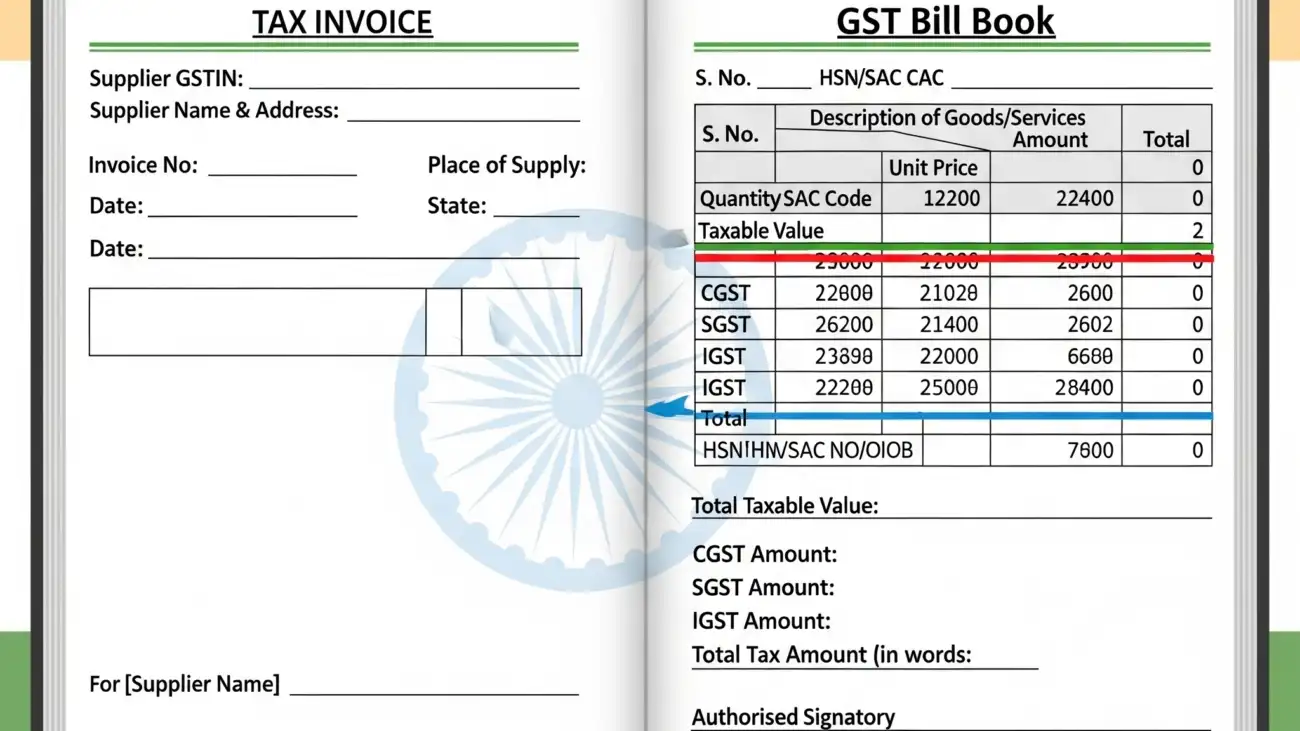
Screenshot-2025-07-18-at-4.54.22-PM

Affordable Mobile Store Billing Software Solutions for Small Retailers

Running a mobile store comes with a lot of day-to-day challenges — from managing stock and tracking sales to handling customer invoices quickly. For small retailers, investing in expensive and complex billing systems isn’t always feasible. This is where affordable mobile store billing software can make a huge difference.

Why Small Retailers Need Billing Software

Traditional billing methods such as manual entry or basic spreadsheets are prone to errors and slow down operations. A dedicated billing software for mobile stores automates invoicing, maintains real-time stock records, and gives detailed sales reports — all of which help small business owners save time and improve accuracy.

Key Features to Look for

When choosing a billing solution for your mobile store, look for:

  • Easy invoicing & GST compliance – Create bills quickly with tax calculations.
  • Inventory management – Track mobile phones, accessories, and spare parts.
  • Customer data management – Save buyer details for future marketing or service calls.
  • Reports & analytics – Get insights into top-selling products and revenue trends.
  • Multi-device access – Use the software on computers, tablets, or smartphones.

Benefits of Affordable Billing Software

  • Cost-effective: Lower upfront and monthly costs make it suitable for small retailers.
  • Time-saving: Automated processes speed up billing and inventory tracking.
  • Better customer experience: Quick billing improves in-store service.
  • Data security: Cloud-based solutions keep your data safe and backed up.

SoftwareMain FeaturesStrengths / ProsWeaknesses / Cons
OurERP (ourerp.ourerp.org)POS billing & retail-shop focus: fast checkout, barcode scanning, multiple payment modes.
• Integrated inventory: real-time stock sync, low-stock alerts, multi-store support. GST / tax compliance: automatic tax (SGST/CGST/IGST), GSTR reports, e-invoicing / e-way bill where needed.
Customer / loyalty / CRM: customer profiles, loyalty/discounts/promotions.
Customization: customizable invoice templates, user roles/permissions, ability to enable/disable modules, integrate with accessories (weighing scale / IMEI tracking etc.). Cloud & Offline support (depending on plan), mobile accessibility, reports & analytics.
Pros: 1. Very well-balanced for small / growing retailers: offers many features found in more expensive ERP but scaled for SMEs. 2. Strong GST & e-invoicing compliance which is critical for Indian retailers. 3. Real-time inventory sync + multi-store support helps in case of expansion or multiple counters. 4. Customizability (user roles, invoice formats etc.) allows the software to adapt to varied business workflows. 5. Customer loyalty / promotions features built-in help in retention and differentiation. 6. Transparent pricing plans (Starter, Pro, Enterprise) so one can scale up as business grows.Cons: 1. Some features may have a learning curve, especially when enabling many modules. 2. Costs increase when moving to high-tier plans (multi POS counters, many staff/user roles, multi-store). 3. Dependency on stable internet for cloud features; offline support may be limited for some features. 4. Support experience depends on plan; sometimes customization takes time. 5. For very small single-counter stores, many features may be more than what is needed (paying for more than use) unless choosing the right plan.
Vyapar• Mobile + desktop billing & invoices, expense tracking, inventory basics. (Technology Evaluation Centre) • GST invoicing, reporting, e-way bill support. (Technology Evaluation Centre) • Multiple warehousing / stock reminders. • Affordable pricing focused on small businesses.Pros: 1. Very user-friendly, especially for business owners unfamiliar with complex software. 2. Good value: many needed features at lower cost. 3. Mobile access: you can do many tasks via mobile which helps for small shops. 4. Simpler setup than big ERP solutions.Cons: 1. Limited in advanced customization: security roles, very detailed reporting, custom fields etc. may be less flexible. 2. Integration limitations: fewer third-party integrations compared to more comprehensive ERPs. 3. Some user complaints about support response, performance / glitches, especially when pushing limits of usage. (Capterra) 4. For multi-store or multi-counter setups, may hit limitations.
GoFrugal POS• Retail POS with multi-store / multi-location support, inventory control, CRM & loyalty features.
• Integrated accounting, business intelligence / reporting dashboards. • Supports fast billing, various payment modes. • Data security & backup; integration with payment devices etc.
Pros: 1. Strong for stores with multiple outlets; centralized control helps. 2. Robust inventory + stock movement tracking. 3. Good variety of features including promotions, loyalty, etc. 4. Established product with many references in Indian retail.Cons: 1. Complexity: more features means steeper learning curve; staff training required. 2. Cost tends to be higher, especially for multi-store deployments. 3. Some users report slow support, issues in setting up offers centrally across stores, or lacking flexibility in certain discount / shelf pricing features.
4. Occasional performance issues or user interface / usability complaints.
Hitech BillSoft• Offline-first billing & inventory software; works on Windows, POS printer support. (billingsoftwareindia.in) • Supports GST invoices, multiple invoice sizes/forms, barcode generation, low-stock alerts, email/SMS integration. • Staff attendance / biometric integration, purchase & supplier management. • Android companion app for business overview.Pros: 1. Reliable offline operation means business can continue even if internet inconsistent. 2. Very good for small shops that need desktop / in-store system rather than cloud-only. 3. Rich features for cost: many modules like supplier/purchase, barcode, staff attendance are included. 4. One-time license option is attractive for those who dislike recurring subscription. 5. Many satisfied clients in smaller Indian towns.Cons: 1. Being desktop/offline + Windows-based means less mobility & remote management compared to cloud solutions. 2. UI / UX may not be as modern or polished; updates/features may lag behind cloud-based competitors. 3. Support may be slower or less frequent for smaller license holders. 4. Integration with other systems (e-commerce, if needed) may be limited. 5. Scaling to multiple counters or stores may become cumbersome.
myBillBook• Cloud-based billing, invoicing, inventory tracking, accounts payable/receivable. • Mobile apps + web access, real-time sync, e-invoicing support, customizable templates. • Reports: profit & loss, stock summary, GSTR / GST reports. • Freemium model; multiple pricing tiers.Pros: 1. Very accessible for small & micro businesses; cloud based makes working from multiple devices easy. 2. Simple interface; fast start; many users find onboarding easier. 3. Offers e-invoicing, which is increasingly mandatory / expected. 4. Role-based access, multi-user support. 5. Reasonable pricing; free / low-cost plan for basic usage.Cons: 1. Customer support has mixed reviews: delay in handling bugs / issues has been cited. (Capterra) 2. Some missing functionality for more complex needs (multi-store, advanced inventory, customization of workflows). 3. Web / mobile versions may differ; mobile UI sometimes less capable. 4. Frequent updates sometimes reset settings or change behaviour unexpectedly. 5. For high volume shops, performance can slow or need better infrastructure.
Marg ERP 9+• More full-featured ERP, with strong inventory / accounting / GST / batch / expiry / e-way bill etc. • Supports wholesalers / distributors / retailers with more complex supply chains. • Many modules: purchase, sales, inventory, ledger, etc.Pros: 1. Very mature solution; many businesses already use it, so knowledge / community support is high. 2. Good in handling large SKU counts, batch/expiry / regulatory needs. 3. Strong in accounting / ledger, more advanced reports. 4. Good for businesses planning to scale, multiple warehouses etc.Cons: 1. Learning curve is steep; initial setup & training needed. 2. Licensing / maintenance costs + possible hidden costs (AMC etc.) can be high. 3. Less “modern” UI in some cases; slower to adapt to new cloud-first/mobile features. 4. Offline/online support and cloud capability may be less flexible. 5. For very small shops may be overkill (too many features they’ll never use).

Why OurERP Might Be the Best Choice for Mobile Store Billing (Small Retailers)

After comparing, here are reasons why OurERP could be considered most useful / best for a mobile store (phones, accessories, etc.):

  1. Feature Balance: It provides a middle ground — more features than ultra-basic apps like Vyapar or MyBillBook, but less tedious than fully-loaded ERP systems. For mobile stores, you need stock tracking (accessories, parts), invoice compliance, returns, etc. OurERP covers these.
  2. Customization & Branding: Because mobile stores often carry varied accessories, maybe IMEI/serial tracking etc., or want custom invoice templates, OurERP’s customization features help.
  3. Real-Time Inventory + Multi-Store / Multi-Warehouse: If a retailer has more than 1 branch, or wants to integrate online + offline, the ability to sync inventory is important. OurERP offers inventory sync, low-stock alerts, multi-GSTIN support.
  4. Loyalty & Promotions: For mobile stores, offering promotions or loyalty helps customer retention; OurERP includes loyalty programs built in. Many simpler competitors may not.
  5. GST / Tax Compliance + Reporting: OurERP supports GST-ready invoicing, GSTR-1, GSTR-3B etc., which is essential; some competitors may have incomplete support or delays. Also, accurate tax calculation, batch/expiry tracking if required.
  6. Customization of Access / Roles & Security: Being able to control who does what (billing, returns, editing) helps avoid mistakes or misuse — OurERP has user roles/permissions

For more details and resources, please return to OurERP.


OurERP - best stock inventory management software

Best Stock Inventory Management Software for Retailers

In the competitive world of retail, a well-managed inventory is the backbone of a successful business. Without a clear picture of what’s in stock, where it is, and when you need to reorder, you risk losing sales, carrying excess stock, and hurting your bottom line. Manual spreadsheets are no longer enough. The solution is a robust stock inventory management software that automates processes, provides real-time insights, and helps you make data-driven decisions.

This blog post will compare some of the top contenders in the market and explain why a complete ERP solution like OurERP is the best choice for retailers looking to optimize their operations and drive growth.

The Importance of Inventory Management Software

For any retailer, the right software can transform chaos into control. A good system helps you to:

  • Prevent Stockouts: By tracking inventory levels in real-time and setting automated reorder points, you can ensure you never miss a sale due to an empty shelf.
  • Avoid Overstocking: Carrying too much inventory ties up cash and increases holding costs. Software helps you maintain optimal stock levels, freeing up capital.
  • Increase Efficiency: Automation of tasks like stock counting, order processing, and reporting saves countless hours of manual work.
  • Gain Visibility: A centralized dashboard gives you a complete overview of your stock across all locations, helping you make smarter purchasing and sales decisions.

Key Competitors and Their Pros and Cons

While many options are available, they often fall into two categories: standalone inventory apps and all-in-one ERPs.

  • Square for Retail: A popular choice for small to medium-sized retailers due to its seamless integration with the Square POS system.
    • Pros: Easy to set up and use, provides real-time stock updates, and a user-friendly interface. It’s great for businesses already using Square for payments.
    • Cons: While the free version offers basic inventory, advanced features like detailed reporting, vendor management, and multi-location tracking often require a paid subscription. It’s a point-of-sale system with an inventory module, not a comprehensive solution for complex retail operations.
  • Zoho Inventory: Part of a larger ecosystem of business applications, Zoho Inventory is a robust, cloud-based solution.
    • Pros: Integrates well with other Zoho products and various e-commerce platforms like Amazon and Shopify. It offers features like batch tracking, barcode scanning, and multi-channel selling.
    • Cons: The sheer number of features can make it complex to navigate for new users. While it’s powerful, its primary focus is on inventory, and it lacks the deep, integrated functionality of a full ERP.
  • Lightspeed Retail: Known for its robust POS system and strong inventory features, Lightspeed is an excellent choice for multi-location businesses.
    • Pros: Centralized management for multiple stores, built-in POS, and advanced reporting. Its focus on retail makes it a highly specialized tool.
    • Cons: It can be expensive, and its feature set is geared more toward larger businesses, which might be overkill for a small, single-location retailer.

The Ultimate Choice: OurERP Retail Inventory Management

While the competitors listed above are good, they often fall short of providing a truly unified solution. This is where OurERP stands out. It’s not just an inventory system; it’s a complete ERP (Enterprise Resource Planning) platform designed to handle every aspect of your retail business, making it the best long-term investment.

Why OurERP is the Best Choice for Retailers:

  • All-in-One Solution: OurERP eliminates the need for multiple, disjointed software systems. It seamlessly integrates your inventory management with your POS, accounting, billing, customer relationship management (CRM), and e-commerce channels. A sale in your retail store automatically updates inventory, records the transaction in your accounts, and updates customer data—all in one go.
  • Real-Time, Granular Control: Go beyond simple stock counts. OurERP gives you real-time visibility into your inventory across all your warehouses and stores. You can track items by batch, serial number, and location. This level of detail helps prevent errors and ensures you always know where your products are.
  • Intelligent Automation: Tired of manual reordering? OurERP automates your entire purchasing workflow. It analyzes sales trends and sets up smart alerts to automatically generate purchase orders when stock levels fall below a predefined threshold. This proactive approach saves you time and ensures you’re never caught off guard by a sudden spike in demand.
  • Data-Driven Decision Making: With OurERP, you’re not just tracking data; you’re leveraging it. The system provides powerful analytics and customizable reports that give you insights into your best-selling products, slow-moving items, and customer behavior. This information allows you to optimize your stock, create targeted promotions, and improve profitability.
  • Scalable for Growth: Whether you’re a single-store startup or a growing retail chain, OurERP is designed to scale with your business. Its modular design allows you to add features like a robust e-commerce platform, multi-currency support, and advanced accounting as your business grows, all without having to switch software.

Conclusion

While simple inventory apps can solve a part of the problem, a retailer’s success hinges on a unified and intelligent system that connects all business functions. Manual entries and siloed software lead to errors, inefficiencies, and missed opportunities.

OurERP is the definitive solution for retailers who are ready to move from chaos to control. It provides the most comprehensive, integrated, and scalable inventory management system on the market, helping you save time, reduce costs, and unlock your business’s true potential.

Ready to revolutionize your retail operations? Visit https://ourerp.ourerp.org/ to learn more and request a demo of OurERP today!

OurERP GST bill book digital invoicing

Why Indian SMEs Must Switch from Paper Bill Books to GST Billing Software

In today’s fast-paced business world, every second and every rupee counts. For Indian SMEs, managing GST compliance can feel like a heavy burden — full of manual errors and time-consuming paperwork.

Many still rely on a traditional paper bill book, but this old practice can cost you dearly over time. The smarter, safer solution is a GST billing software — a digital “bill book” that automates invoicing and compliance.

This post explains why switching to a digital system is essential for your business and why OurERP stands out from the competition.

The Hidden Costs of Paper Bill Books

A traditional paper bill book looks simple but hides major risks:

  • Manual Errors: Mistakes in GSTIN, HSN/SAC codes, or calculations can lead to penalties and mismatches.
  • Time-Consuming: Writing invoices, calculating taxes, and re-entering data wastes hours you could spend on growth.
  • No Real-Time Data: Without a digital system, you lack instant visibility into sales, inventory, and cash flow.
  • Security Risks: Paper bills are easily lost, damaged, or stolen — a nightmare during audits.

Why a Digital GST Bill Book Is a Game-Changer

A GST billing software solves these problems instantly:

  • 100% GST Compliance: Always up to date with the latest GST rules, tax rates, and formats.
  • Automated, Error-Free Invoicing: Pre-filled data and automatic GST calculations save time.
  • Instant Reports & Filing: Generate GSTR-1, GSTR-3B, and other reports in minutes instead of days.
  • Real-Time Inventory & Sales Tracking: Every invoice updates your stock and sales automatically.
  • Professional Digital Invoices: Send invoices instantly via email or WhatsApp to boost trust and faster payments.

Top GST Billing Software in India

Here’s a quick look at some popular options:

SoftwareProsCons
TallyPowerful accounting features, market veteran.Complex for small business billing.
Zoho InvoiceUser-friendly, integrates with Zoho products.Paid plans needed for advanced features.
Vyapar AppMobile-first, easy for traders.Limited features for growing businesses.

Why OurERP Beats Them All

OurERP GST Billing Software is more than just a billing app. It’s a complete ERP solution designed for Indian SMEs.

Key Benefits:

  • All-in-One Platform: Billing, inventory, accounting, and customer management — all synced.
  • Fully GST-Ready: From basic bills to e-invoicing and e-way bills, with automatic GSTR reports.
  • Fast & Intuitive: Create GST-compliant invoices in seconds; barcode scanning and quick search included.
  • Smart Inventory Management: Automatic stock updates, low-stock alerts, and profit tracking.
  • Made for Indian Businesses: Affordable, scalable, and easy to use.

Conclusion: Move Beyond the Bill Book

Manual billing is outdated and risky. Basic apps may help for a while, but they lack the depth needed for long-term growth.

Investing in OurERP is the smartest move. It’s not just a GST bill book — it’s a strategic tool that saves time, ensures compliance, and gives you the data you need to thrive.

💡 Ready to upgrade?
Visit OurERP to learn more and request a free demo today

A restaurant server using a modern billing software system on a tablet, showcasing how the solution improves order speed, accuracy, and GST compliance.

Tired of Manual Entries? Discover the Best Free Billing Software for Restaurants

Running a restaurant is a marathon, not a sprint. From managing orders and tables to handling payments and inventory, a smooth operation is key to success. But when you’re bogged down with manual entries, your business can grind to a halt. The good news? You don’t have to break the bank to streamline your workflow. Free billing software for restaurants can be a game-changer, and we’re here to help you find the best one.

This blog post will compare top free billing software options for restaurants, highlighting their pros and cons. We’ll show you how to choose the right solution for your business and introduce OurERP as the ultimate, all-in-one platform that stands above the rest.

Why Go Free? The Power of a Zero-Cost POS

Many restaurant owners are hesitant to invest in expensive software, especially when starting out. Free billing software offers a perfect entry point. It allows you to:

  • Reduce operational costs: Eliminate the need for paper-based billing, expensive hardware, and costly monthly subscriptions.
  • Improve efficiency: Automate order-taking, billing, and reporting, which saves time and reduces human error.
  • Scale your business: Start with a basic free plan and easily upgrade as your business grows, adding more advanced features as you need them.

But with so many “free” options, how do you know which one is truly the best? Let’s break down the top contenders.

A Look at the Competition

Here are some of the most popular free restaurant POS and billing software options on the market, along with their key strengths and weaknesses:

  • Square POS: A well-known name in the POS space, Square offers a robust free plan.
    • Pros: It’s user-friendly, accepts all major credit cards, and comes with a free card reader to get you started. It also includes basic inventory and sales reporting.
    • Cons: The “free” part comes with a catch—transaction fees for every payment processed. Advanced features like KDS (Kitchen Display System) or sophisticated inventory management often require a paid subscription.
  • Loyverse POS: Loyverse is a popular choice for its flexibility and powerful features available on its free plan.
    • Pros: It’s highly flexible and supports a wide range of hardware. The free plan includes a loyalty program, multi-location management, and basic sales analytics.
    • Cons: The free version has limited reporting and customization. Some users find its features less comprehensive for large-scale operations.
  • Odoo POS: Known for its open-source nature, Odoo offers a free version with a strong focus on customizability.
    • Pros: The “Community” edition is truly free and can be customized to fit your specific needs. It’s an all-in-one suite that includes POS, inventory, accounting, and more.
    • Cons: The learning curve can be steep for non-technical users. It requires more effort to set up and maintain compared to plug-and-play solutions.
  • Vyapar App: Popular in the Indian market, Vyapar offers a free-to-use mobile app for billing and inventory.
    • Pros: It’s an excellent choice for very small restaurants or cafes, with features like GST billing, inventory management, and one-click bill sharing via WhatsApp.
    • Cons: It’s primarily a mobile-first solution, which may not be ideal for dine-in restaurants that require a full-fledged POS system. It lacks advanced features like online ordering integrations and kitchen management.

The Ultimate Choice: OurERP Restaurant Billing Software

While free software can get you started, they often come with limitations that can hinder your growth. This is where OurERP comes in. OurERP offers a comprehensive, scalable, and affordable solution that is considered the best on the market because it goes beyond just billing. It’s a complete Enterprise Resource Planning (ERP) system tailored for the restaurant industry.

Why OurERP is the Best Choice:

We believe OurERP is the definitive answer for any restaurant owner looking for a billing solution that can grow with their business. Here’s what sets it apart:

  • Fast & Accurate Billing: OurERP’s POS system is designed for speed and accuracy. With a simple, intuitive interface, your staff can take orders, split bills, and process payments quickly, reducing wait times and improving customer satisfaction.
  • Complete Business Control: Unlike simple billing software, OurERP provides a 360-degree view of your operations. It seamlessly integrates:
    • Inventory Management: Track raw materials in real-time. The system automatically deducts ingredients from your stock after each sale, preventing wastage and shortages.
    • Kitchen Display System (KDS): Orders are sent directly to the kitchen on a digital screen, eliminating paper KOTs and reducing errors in communication.
    • Online Ordering Integration: Manage orders from platforms like Zomato, Swiggy, and Uber Eats all from a single dashboard. No more juggling multiple tablets.
    • CRM & Loyalty: OurERP helps you build customer relationships by storing their order history, preferences, and contact details, making it easy to run targeted loyalty programs.
  • The Power of an ERP: OurERP is built on a robust ERP framework, which means your billing, inventory, and accounting are all unified. This single-system approach eliminates the need for multiple software subscriptions, saving you money and reducing complexity. It provides powerful analytics and reports that help you make data-driven decisions to optimize your menu, manage costs, and boost profitability.
  • Scalability for Growth: Whether you’re a small cafe or a multi-location chain, OurERP is designed to scale with you. You can start with the essential features and add more as your business expands, all on the same platform.

Final Verdict

While free billing software can be a great starting point for new restaurants, they often lack the comprehensive features needed for long-term success. They may save you money upfront, but the manual workarounds and lack of critical functions like KDS and integrated inventory can end up costing you more in the long run.

OurERP is the perfect solution for any restaurant owner who is tired of manual entries and ready to take their business to the next level. It provides the full suite of tools needed to streamline your operations, reduce costs, and increase profitability, all on a user-friendly and scalable platform.

Ready to say goodbye to manual entries? Discover how OurERP can transform your restaurant. Visit https://ourerp.ourerp.org/ to learn more and request a free demo today!