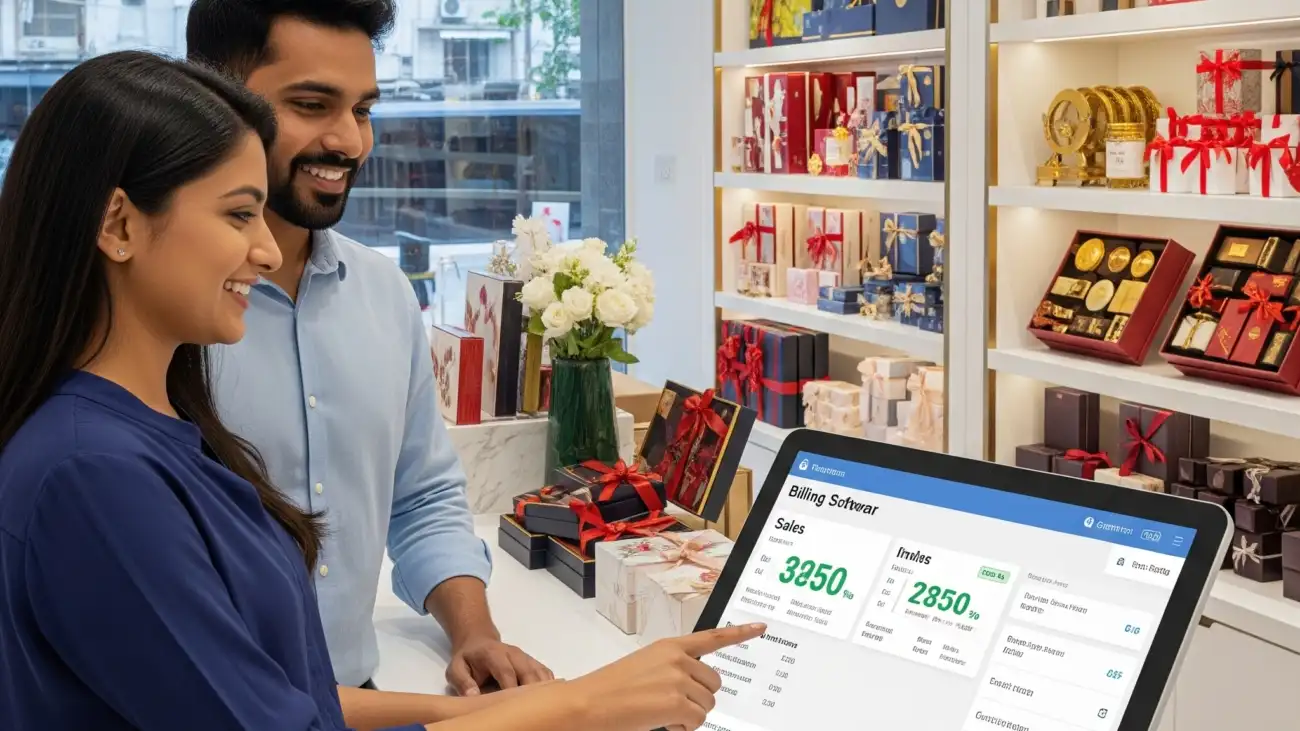
An image showing a modern cloth shop using billing software on a tablet for a fast checkout, representing how technology automates retail operations.

Bill Book vs. Billing Software: Which is Right for Your Business?

In today’s competitive business landscape, efficiency and accuracy are paramount. For many small businesses and startups, the traditional bill book has been the go-to method for managing transactions. However, with the rise of technology, billing software has emerged as a powerful alternative. The choice between these two methods can significantly impact your business operations, from financial management to customer satisfaction. This guide will help you understand the key differences and decide which is the best fit for your business.

Why Modernize Your Billing System?

Relying on a manual bill book can lead to a host of challenges that billing software is designed to solve. While a physical bill book might seem cost-effective and straightforward, it often comes with hidden costs and inefficiencies.

Eliminate Manual Errors

Handwriting invoices and calculating totals can easily lead to mistakes, which can result in financial loss or customer disputes. Billing software automates calculations, minimizing the risk of human error.

Save Time and Resources

Creating, organizing, and retrieving paper invoices is a time-consuming process. Billing software automates the entire workflow, from generating invoices to sending payment reminders, freeing up valuable time for you and your staff.

Gain Financial Clarity

With a physical bill book, it’s challenging to get a real-time overview of your sales, outstanding payments, and overall financial health. Billing software provides instant access to detailed reports and dashboards, giving you a clear picture of your business performance.

Project a Professional Image

Professionally generated invoices from a software system look polished and credible, enhancing your brand image. A traditional bill book, while functional, may not convey the same level of professionalism.

Improve Customer Experience

Billing software enables you to send invoices and payment reminders instantly via email or SMS. It also often supports multiple payment options, making the process more convenient for your customers.

Key Features of Modern Billing Software

To make an informed decision, it’s essential to understand the capabilities of modern billing software.

Automated Invoice Generation

Create and send professional-looking invoices with a single click. Customize templates with your logo and branding.

Inventory Management Integration

Link your billing system with your inventory. As items are billed, the stock count is automatically updated, helping you avoid shortages and overstocking.

Multi-Platform Accessibility

Access your billing data from anywhere, on any device—be it a desktop, tablet, or smartphone. This is particularly useful for businesses with remote teams or multiple locations.

Detailed Reporting and Analytics

Generate comprehensive reports on sales, expenses, and customer behavior. Analyze trends to make data-driven decisions and identify growth opportunities.

Secure Data Storage

Your financial data is stored securely in the cloud, protected from physical damage, loss, or unauthorized access. This is a significant advantage over a physical bill book, which can be easily misplaced or damaged.

Get Started in 3 Simple Steps

Transitioning from a bill book to billing software can be a smooth process.

  1. Assess Your Needs: Evaluate your current billing volume, team size, and specific business requirements to choose the right software.
  2. Set Up the System: Import your product list and customer database. Most software is designed for quick and easy setup.
  3. Train Your Team: A user-friendly interface makes it easy to train your staff. Once they’re comfortable, you can go live and begin reaping the benefits.

Bill Book vs. Billing Software: A Side-by-Side Comparison

FeatureTraditional Bill BookModern Billing Software
Speed & EfficiencyManual and time-consuming.Automated, fast, and highly efficient.
AccuracyProne to human errors.Automated calculations, high accuracy.
Data AccessibilityLimited to physical location.Accessible anywhere, anytime on any device.
ReportingTime-consuming to compile manually.Instant, detailed, and customizable reports.
ProfessionalismCan appear informal.Creates professional, branded invoices.
SecuritySusceptible to physical damage, loss, or theft.Secure cloud storage with data backups.

Built for Every Type of Business

Whether you’re a small-scale service provider or a retail store, billing software can be tailored to meet your unique needs.

  • Service-Based Businesses: Create and send invoices for services rendered, track time, and manage recurring billing for retainers.
  • Retail Stores: Integrate with your POS system to handle both in-store and online sales, manage returns, and track inventory.
  • Freelancers & Consultants: Simplify invoicing clients, track expenses, and manage project-based billing with ease.
  • Wholesale & Distribution: Manage bulk orders, track inventory across multiple locations, and generate complex invoices with different tax rates.

Make the Smart Choice for Your Business

The decision between a bill book and billing software is a choice between the past and the future of your business. While a bill book might get the job done, billing software empowers you to work smarter, not harder. It’s an investment that saves time, reduces errors, improves cash flow, and ultimately, helps you boost your bottom line.

For more details and resources, please return to OurERP.

A restaurant server using a modern billing software system on a tablet, showcasing how the solution improves order speed, accuracy, and GST compliance.

Boost Your Bottom Line: The Ultimate Guide to Restaurant Billing Software

In the fast-paced world of the restaurant industry, every second counts. From taking orders to managing inventory and handling payments, a smooth operation is key to a successful business. This is where modern restaurant billing software comes in, acting as the central nervous system of your establishment. It’s not just about printing bills; it’s about optimizing every aspect of your business to increase profitability and enhance the customer experience.

Why Your Restaurant Needs a Modern Billing System

Moving beyond traditional cash registers and manual billing methods is crucial for growth. A dedicated restaurant billing system provides a range of benefits that directly impact your bottom line.

Streamline Your Operations

Automate order processing, billing, and payment collection to reduce errors and wait times. This allows your staff to focus on what matters most: providing excellent service.

Gain Financial Control

Track sales, manage expenses, and generate detailed financial reports in real-time. This provides clear insights into your restaurant’s performance, helping you make informed decisions.

Enhance the Customer Experience

Faster and more accurate billing leads to happier customers. Features like split-bill functionality, integrated payment gateways, and loyalty programs can further improve satisfaction and encourage repeat visits.

Manage Inventory with Precision

Seamlessly integrate your billing system with inventory management. Every item sold is automatically deducted from your stock, giving you real-time updates and helping you avoid waste and shortages.

Enable Faster Growth

With a robust system in place, you can easily scale your business. Whether it’s adding new menu items, opening another location, or implementing a delivery service, the right software can support your expansion plans.

Key Features to Look for in Restaurant Billing Software

Not all billing systems are created equal. When choosing one, make sure it has the features that will truly empower your business.

Real-Time Reporting & Analytics

Get instant access to sales reports, peak hour analysis, and server performance metrics. This data is invaluable for strategic planning.

Integrated POS and Payment Processing

A single, integrated system for taking orders (Point of Sale or POS) and processing payments ensures a seamless workflow from table to kitchen to checkout.

Mobile and Tablet Compatibility

Enable your staff to take orders and process payments tableside, which is not only efficient but also provides a modern, professional feel.

Customer Relationship Management (CRM)

Capture customer data to create profiles, track their preferences, and run targeted marketing campaigns or loyalty programs.

Inventory and Kitchen Management Integration

Ensure the system links directly to your inventory. It should also be able to send orders directly to the kitchen display system (KDS) for faster and more accurate food preparation.

Get Complete Control in 3 Simple Steps

Choosing and implementing the right software doesn’t have to be complicated.

  1. Select the Right System: Assess your restaurant’s specific needs—whether it’s for a cafe, fine dining, or a quick-service restaurant—and choose a system with the features that align with your goals.
  2. Train Your Team: A user-friendly interface is key. Ensure your staff is properly trained on how to use the system for everything from order entry to end-of-day reporting.
  3. Go Live & Optimize: Once the system is set up, start using it and leverage the data to optimize your menu, staffing, and marketing efforts.

Why Restaurant Billing Software is the Best Choice Over Manual Methods

FeatureRestaurant Billing SoftwareManual Methods (Pen & Paper)
Speed & AccuracyFast, automated, and error-free billing.Prone to human errors and slow processing.
Inventory ControlReal-time tracking and automatic stock updates.Manual counting and high risk of discrepancies.
ReportingInstant, detailed, and customizable reports.Laborious and time-consuming; data is often incomplete.
SecuritySecure payment processing and data protection.High risk of theft and data loss.
Customer ExperienceEnables loyalty programs and faster service.Limited ability to track customer data.

Built for Every Restaurant Concept

Whether you run a small local eatery or a multi-chain franchise, a scalable restaurant billing system can adapt to your needs.

  • Quick Service Restaurants (QSR): Optimize counter service with quick order entry and integrated payment terminals.
  • Fine Dining: Offer a refined experience with tableside ordering and discreet payment processing.
  • Cafes & Bakeries: Manage complex menus and a high volume of small transactions with ease.
  • Bars & Pubs: Streamline bar tabs, manage happy hour pricing, and handle multiple payment methods efficiently.

Start Boosting Your Bottom Line Today

A great restaurant isn’t just about delicious food; it’s also about smart business practices. By investing in the right billing software, you’re not just buying a tool—you’re investing in the efficiency, security, and growth of your business. It’s the ultimate ingredient for long-term success.

For more details and resources, please return to OurERP.
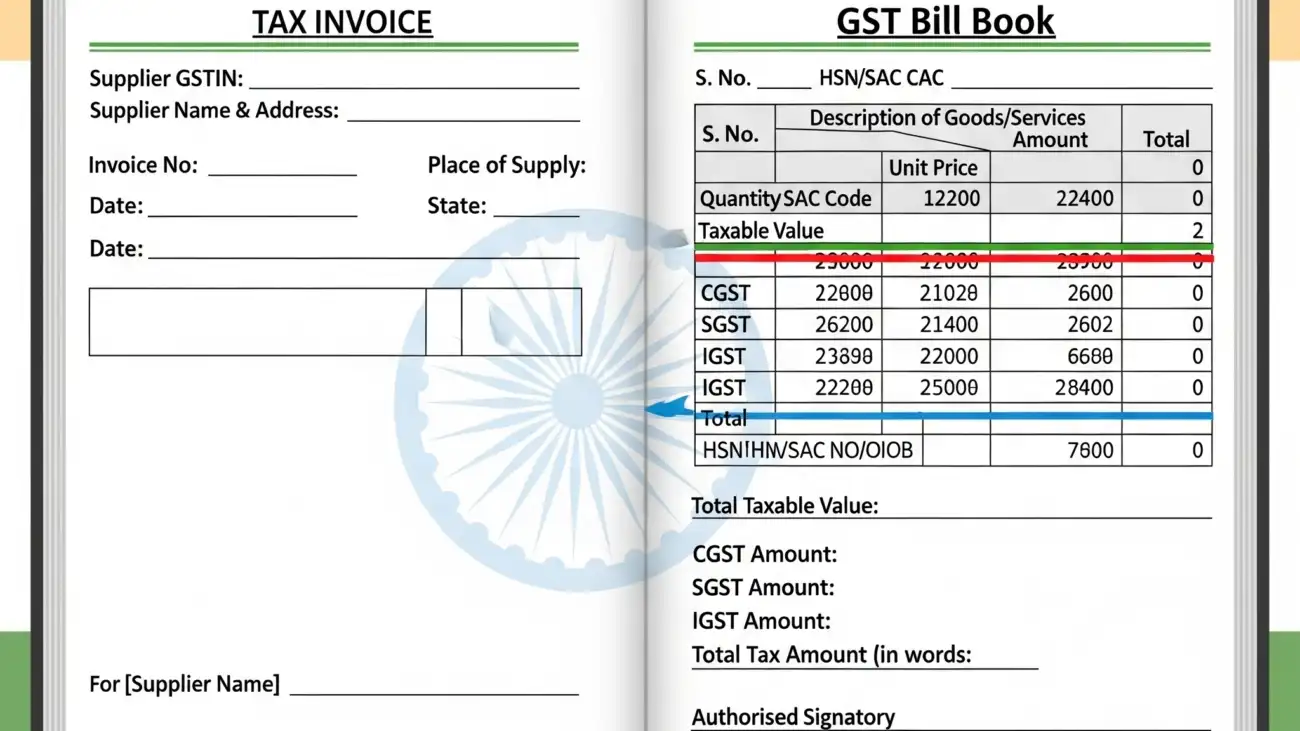
Gemini_Generated_Image_dhe5mtdhe5mtdhe5-1300x731

More Than Just Paper: Why a Bill Book is a Crucial Legal Document for Your Business

In the world of business, it’s easy to see a bill book as a simple, transactional tool—just a place to jot down sales and expenses. But this perspective is a major oversight. A bill book is far more than a stack of carbon copies; it’s a critical legal document that can protect your business, ensure compliance, and even resolve disputes.

Whether you’re a small retailer or a large service provider, understanding the legal weight of your bill book is essential for secure and professional business operations.

Here’s why your bill book is a crucial legal document and not just a piece of paper:

1. It’s Your Primary Proof of Transaction

In any business, a bill or invoice is the official record of a transaction between a seller and a buyer. It serves as irrefutable proof of the sale, detailing the goods or services provided, the price, the date, and the identities of both parties. In a legal dispute, such as a disagreement over a payment or a product delivery, your bill book entries are your first line of defense. They provide a clear, timestamped record that can be presented in a court of law or to a third-party mediator.

2. Essential for GST and Tax Compliance

For businesses registered under the Goods and Services Tax (GST) regime, a bill book is the bedrock of compliance. The government mandates that every taxable supply must be supported by a GST-compliant tax invoice. This invoice must contain specific details, including:

  • Seller’s and Buyer’s GSTIN
  • Invoice number and date
  • HSN/SAC code of goods or services
  • Taxable value and tax rates (CGST, SGST, IGST)
  • Total amount

A properly maintained bill book ensures that every transaction is accounted for and accurately documented, which is non-negotiable for filing your GST returns (GSTR-1, GSTR-3B) and avoiding penalties.

3. It Serves as a Guarantee for Customers

A professional, well-documented bill reassures your customers. It’s not just a receipt; it’s often the customer’s only proof of purchase. This is vital for them to claim a warranty, exchange a product, or request a refund. By providing a proper bill, you establish trust and demonstrate a commitment to your customers, which can lead to repeat business and positive word-of-mouth.

4. Protects Against Fraud and Discrepancies

A systematic bill book with sequential numbering helps you maintain an audit trail. This makes it incredibly difficult for internal fraud to go unnoticed and helps you quickly identify any missing or duplicated invoices. By cross-referencing your bill book with your inventory and bank statements, you can spot discrepancies and ensure all sales are correctly recorded. This is a simple but powerful internal control mechanism.

5. Crucial for Business Audits

Whether it’s a government tax audit or an internal financial review, your bill book is one of the first documents auditors will ask to see. They use it to verify your reported income, validate tax claims, and ensure that your financial statements are accurate. A messy or incomplete bill book can raise red flags, leading to more extensive scrutiny and potential penalties. A well-maintained and organized bill book, whether physical or digital, makes the audit process smooth and hassle-free.

Conclusion:

A bill book is much more than a collection of papers—it’s the backbone of your business’s financial and legal integrity. It’s the proof of your transactions, your shield against legal disputes, and your primary tool for tax compliance.

In today’s digital age, while many are moving towards digital invoicing, the principles remain the same. Whether you use a physical bill book or a modern digital invoicing app, the key is to treat every invoice as a crucial legal document. By doing so, you’re not just recording sales; you’re building a foundation of transparency, trust, and security for your business.

A retail shop owner using a modern billing software, highlighting its features that boost accuracy, sales, and GST compliance.

Tired of Manual Billing? 7 Reasons Why a GST Billing Software is a Game-Changer

For businesses in India, managing GST compliance can feel like a full-time job. From calculating the correct tax rates on every invoice to meticulously filing monthly returns, the manual process is not only time-consuming but also prone to costly errors.

If you’re still relying on pen and paper or complex spreadsheets, you’re not just working hard—you’re missing out on a smarter, more efficient way to run your business. A good GST billing software is more than just a tool for generating invoices; it’s a game-changer that can revolutionize your financial operations.

Here are 7 compelling reasons why you should make the switch today:

1. Say Goodbye to Human Errors and Penalties

Manual billing is a breeding ground for mistakes. A wrong GST rate, a misplaced decimal, or a typo in an HSN/SAC code can lead to discrepancies, delayed returns, and hefty government penalties. GST billing software automates these complex calculations, ensuring 100% accuracy on every invoice. This built-in precision saves you from financial loss and the stress of dealing with compliance issues.

2. Unlock Real-Time GST Compliance

GST regulations are constantly evolving. A good software solution stays updated with the latest tax rates, rules, and e-invoicing mandates. This means you don’t have to worry about missing out on a critical update. The software handles the changes automatically, ensuring you are always compliant and audit-ready.

3. Drastically Speed Up Your Billing Process

Imagine generating a GST-compliant invoice in a matter of seconds. With pre-designed templates, automated data entry for customers, and instant tax calculations, GST software dramatically reduces the time spent on billing. This is especially crucial for fast-paced businesses like retail stores or restaurants, where quick checkouts are essential for customer satisfaction.

4. Simplify Your GST Return Filing

The most significant benefit for many business owners is the simplified GST return process. The software records every transaction and can auto-generate reports like GSTR-1 and GSTR-3B with a single click. This eliminates the need for manual data reconciliation and allows you to file your returns on time and without hassle, freeing up valuable time and resources.

5. Gain a Bird’s-Eye View of Your Business

Modern GST billing software often comes with powerful reporting and analytics features. You can get real-time insights into your sales, expenses, and tax liabilities. These dashboards help you track your business’s financial health, identify your best-selling products, and make data-driven decisions to foster growth. It’s not just about compliance; it’s about empowerment.

6. Efficiently Manage Your Inventory and Stock

Many GST billing solutions offer integrated inventory management. This feature allows you to track stock levels in real-time, get low-stock alerts, and manage product variants and batches. By automatically updating your inventory with every sale, you can avoid stock-outs, minimize waste, and ensure a smooth supply chain.

7. Improve Cash Flow and Get Paid Faster

With a GST billing software, you can send professional, digital invoices instantly via email or SMS. Many solutions also support seamless integration with multiple payment gateways, making it easier for your clients to pay you on time. Automated payment reminders further reduce outstanding payments, ensuring a healthy and consistent cash flow for your business.

Conclusion:

Manual billing is a thing of the past. In a dynamic market, staying competitive requires embracing tools that boost efficiency, accuracy, and compliance. Investing in a reliable GST billing software isn’t an expense—it’s a smart business decision that frees you from administrative burdens and empowers you to focus on what truly matters: growing your business

A waiter uses a tablet showing free restaurant billing software, with happy customers and a busy kitchen in the background. The image represents the ease and efficiency of a POS system for restaurants.

How to Choose the Right Free Billing Software for Your Restaurant: The Ultimate Guide

In the fast-paced world of the restaurant industry, every second and every penny counts. From managing a bustling lunch rush to tracking inventory and handling a dozen different payment methods, the day-to-day operations can be overwhelming. For many small restaurant owners, the idea of a comprehensive, high-tech billing system seems like a luxury they can’t afford, often leading them to rely on outdated cash registers, manual notes, and paper-based ordering.

But what if you could have the efficiency and professionalism of a modern billing system without a hefty price tag? The solution is closer than you think. The market today is filled with powerful, free billing software designed specifically for restaurants, cafes, and bars.

However, simply typing “free restaurant billing software download” into a search engine isn’t enough. Not all free software is created equal, and choosing the wrong one can cause more problems than it solves. This comprehensive guide will walk you through the essential factors to consider, helping you make an informed decision and find the perfect free billing software to transform your restaurant’s operations.

Why Free Billing Software Is a Game-Changer for Restaurants

Before we dive into the specifics of choosing a solution, let’s understand why even a free billing system is an incredible upgrade from manual processes.

  • Lightning-Fast Service: A digital billing system reduces order-taking time and eliminates the need for manual calculations. Orders can be sent directly to the kitchen or bar, ensuring accuracy and speeding up service times, which is crucial for maximizing table turnover.
  • Drastically Reduced Errors: Say goodbye to illegible handwriting, missed orders, or incorrect bill totals. Automated software ensures every item, discount, and tax is calculated perfectly, leading to fewer disputes and a more professional image.
  • Smarter Inventory Management: Many free restaurant billing software solutions include basic inventory tracking. You can monitor stock levels of key ingredients in real-time, get alerts when an item is low, and identify popular menu items that need to be reordered more frequently. This helps minimize waste and control costs.
  • Enhanced Customer Experience: Your guests will appreciate the speed and accuracy. Many systems also allow for split bills with ease and can even offer loyalty programs or digital receipts, which modern diners expect.
  • Valuable Business Insights: Gone are the days of guessing which dishes are most popular or what your peak hours are. Billing software provides instant reports on sales, profit margins, and customer trends, giving you the data you need to make smarter business decisions.

5 Non-Negotiable Factors to Consider When Choosing Your Software

A free plan is attractive, but it’s important to look beyond the “free” tag and evaluate the software on its capabilities. Here are the five most critical factors to consider:

1. Core Restaurant-Specific Features

A generic billing program won’t cut it. You need a system built for the unique demands of a restaurant. Look for software with these essential features:

  • Point of Sale (POS) Functionality: Does the software act as a true POS system? It should allow you to take orders, manage tables, and process payments all in one seamless flow.
  • Table and Order Management: Can you easily track open tables, move customers, and split bills? The interface should make it simple to manage a busy dining room, whether it’s a quick-service cafe or a full-service restaurant.
  • Menu Customization: The ability to easily add new dishes, modify prices, and manage different menu versions (e.g., breakfast, lunch, happy hour) is a must-have.
  • Kitchen Display System (KDS) Integration: While not always included in free plans, some advanced solutions offer this. An integrated KDS sends orders directly to a screen in the kitchen, eliminating the need for printed tickets and reducing errors.
  • Integrated Payment Processing: The software should be able to accept various payment types, from cash and credit cards to mobile wallets. Look for a solution that either integrates with a payment processor you already use or offers its own built-in, low-cost solution.

2. User-Friendliness and Staff Training

In the fast-paced environment of a restaurant, your staff needs to be able to use the software with minimal training. A clunky, confusing interface will only slow down service and frustrate your team.

  • Intuitive Design: The best free billing software is designed with a clean, visual layout. Staff should be able to take an order, send it to the kitchen, and process a payment with just a few taps.
  • Easy Onboarding: How quickly can you get a new employee up to speed? Look for a system that is so intuitive it requires little to no formal training.
  • Hardware Compatibility: Does the software work on a variety of devices, such as an iPad, Android tablet, or a standard PC? This allows you to use your existing hardware and avoid new equipment costs.

3. Scalability and Future-Proofing

Your free billing software should be able to grow with you. A solution that’s great for a startup food truck might not be sufficient for a full-scale restaurant with multiple locations.

  • Look for “Freemium” Models: Many of the best free options are actually “freemium” models. This means the core functionality is free, but you can upgrade to a paid plan for advanced features like detailed reporting, advanced inventory, or loyalty programs as your business expands.
  • Check the Limitations: Understand what the free plan limits. Is it the number of orders per month, number of users, or access to certain reports? Choose a plan with limitations that won’t hinder your current operations.

4. Customer Support and Community

Even the most user-friendly software can present challenges. Since you’re using a free version, you can’t expect round-the-clock phone support, but you should look for alternatives.

  • Knowledge Base and FAQs: Does the company have a comprehensive online knowledge base, tutorials, and a detailed FAQ section?
  • Active Community Forums: A strong user community is an excellent resource. You can often find answers to common questions and share tips with other restaurant owners using the same software.
  • Email or Ticket Support: While you might not get instant help, a free plan should at least offer a way to submit a support ticket for non-urgent issues.

5. Security and Data Protection

Your billing software handles sensitive data, including customer information, sales figures, and inventory details. A free solution should not compromise on security.

  • Data Encryption: Ensure all your data is encrypted, both in transit and at rest.
  • Cloud-Based Security: If the software is cloud-based, verify that the provider uses secure, reputable servers and employs robust backup procedures.
  • User Roles and Permissions: Look for the ability to set different access levels for your staff. For example, your servers might only need access to order entry, while a manager can view sales reports and inventory.

The Best Free Restaurant Billing Software Options to Explore

Based on the criteria above, here are a few highly-rated free and freemium billing software solutions popular in the restaurant industry.

  • Square for Restaurants: Square offers a very robust free plan ideal for small to medium-sized restaurants. It includes essential POS features, table management, online ordering, and basic reporting. Its major advantage is its seamless integration with the Square payment ecosystem, although you will pay a per-transaction fee.
  • Loyverse POS: A great option for cafes, food trucks, and small eateries. Loyverse’s free plan includes comprehensive inventory management, customer loyalty programs, and sales analytics. It’s known for being very easy to set up and use.
  • TouchBistro (Trial): While not a permanently free solution, TouchBistro is worth mentioning for its extensive free trial. It’s a leading choice in the industry with powerful features like table-side ordering and advanced reporting. The trial period allows you to fully test a premium solution before committing to a paid plan.
  • Floreant POS (Open Source): For the tech-savvy owner, Floreant is a completely free, open-source solution. While it requires some technical know-how for installation and setup, it offers full-featured POS capabilities without any recurring fees.
  • OurERP :“OUR ERP offers integrated solutions for HR, Finance, Inventory, CRM, Sales, Payroll, Projects, and more—streamlining all your business operations.”

The “Free” Catch: Understanding the Limitations

It’s crucial to be realistic about what you get with a free plan. Companies offer them as a gateway to their paid services, so there will always be limitations. Be aware of:

  • Limited Functionality: Advanced features like detailed staff management, payroll integration, multi-location support, and in-depth reporting are often reserved for paid plans.
  • Upselling: Be prepared for frequent prompts to upgrade to a paid plan. This is part of the business model.
  • No Dedicated Support: You may not have access to 24/7 phone support, which can be a problem during a busy shift when something goes wrong.
  • Transaction Fees: While the software itself is free, you may still pay a fee for every credit card transaction processed through their integrated payment system.

Conclusion: Making Your Final Choice

The best free billing software is not about finding the one with the most features, but the one that perfectly fits the unique needs of your restaurant. Start by identifying your core requirements, then test a few of the options listed above. Many offer a free download or trial period, allowing you to get a real feel for the interface and its capabilities.

By investing a little time in research and testing now, you can switch from outdated manual methods to a modern, efficient, and cost-effective digital solution. Your kitchen staff will be happier, your servers will be more efficient, and most importantly, your customers will enjoy a better, faster dining experience, all while you save precious time and money.

For more details and resources, please return to OurERP.

A small business owner using free billing software on a laptop, symbolizing the transition from manual invoicing to an automated, efficient process.

Tired of Manual Invoicing? Get Free Billing Software Here (and Save Hours Every Week)

Are you a small business owner, freelancer, or startup drowning in a sea of paper invoices and spreadsheets? You’re not alone. Manual invoicing is a tedious, time-consuming process that can eat away at your valuable time and slow down your cash flow.

But what if there was a better way?

The good news is that you don’t need a massive budget to streamline your billing process. In fact, some of the best billing software solutions are completely free. This guide will walk you through the key benefits of switching to free billing software and highlight some of the top options available today.

The Problem with Manual Invoicing

Before we dive into the solutions, let’s take a look at the all-too-familiar problems that come with doing things the old-fashioned way:

  • Wasted Time: From creating each invoice from scratch to calculating taxes and following up on payments, manual invoicing can easily take up several hours of your week.
  • Human Error: One wrong number or a missed detail can lead to incorrect invoices, delayed payments, and frustrated clients.
  • Slow Payments: Without automated reminders and easy payment options, you spend more time chasing clients for money than you do growing your business.
  • Lack of Professionalism: A handwritten or generic invoice doesn’t inspire confidence in your clients. Professional, branded invoices build trust and reinforce your brand.
  • Disorganized Records: Keeping track of every invoice, payment, and expense in a spreadsheet or a pile of paper is a recipe for chaos, especially during tax season.

Why Switch to Free Billing Software?

Free billing software is a game-changer for small businesses. It offers a powerful set of features that can solve all the problems mentioned above, without the financial commitment. Here’s what you can expect:

  • Automation: Automate repetitive tasks like sending recurring invoices and payment reminders, so you can focus on what you do best.
  • Professionalism: Create and send sleek, professional, and branded invoices in just a few clicks using customizable templates.
  • Faster Payments: Many free solutions integrate with online payment gateways, allowing your clients to pay you instantly with a credit card, PayPal, or other methods.
  • Error Reduction: The software handles all the calculations, from taxes to discounts, ensuring your invoices are always accurate.
  • Centralized Records: All your client information, invoices, payments, and expenses are stored securely in one place, making it easy to track your cash flow and generate reports.
  • Accessibility: Most modern billing software is cloud-based or has a mobile app, so you can create and send invoices from anywhere, at any time.

Top Free Billing Software to Download or Use Today

Ready to get started? Here are some of the best free billing software options that can help you streamline your operations.

  • Wave: A powerful all-in-one solution that offers unlimited invoicing, expense tracking, and basic accounting features for free. It’s a great option for freelancers and small businesses that need more than just invoicing.
  • Zoho Invoice: Part of the comprehensive Zoho suite, this platform provides a robust free plan that includes a client portal, automated workflows, and a user-friendly interface.
  • Square Invoices: Perfect for businesses that handle both in-person and online sales. Square offers unlimited invoices and seamlessly integrates with their point-of-sale system.
  • Invoice Ninja: A feature-rich platform with a free plan that includes invoicing, estimates, and expense tracking. It’s a great choice if you’re looking for advanced functionality without a price tag.
  • myBillBook: This is a popular option in India, designed for small businesses and retailers. It provides GST-compliant billing, inventory management, and a user-friendly interface for PC and mobile.

How to Choose the Right Free Software for You

While “free” is a great starting point, not all software is created equal. When choosing the best option for your business, consider the following:

  • Features: What do you absolutely need? Invoicing, expense tracking, inventory management, or all of the above?
  • Ease of Use: Is the software intuitive and easy to navigate? A clunky interface will only frustrate you and your team.
  • Scalability: Can the software grow with your business? Will you have to switch to a paid plan as your needs become more complex?
  • Support: What kind of customer support is available if you run into a problem?
  • Accessibility: Do you need a desktop application, a cloud-based solution, or a mobile app to manage your business on the go?

By answering these questions, you can find the perfect free billing software to fit your unique needs. Stop wasting time on manual invoicing and start using a solution that helps you get paid faster, stay organized, and focus on what truly matters: growing your business.

For more details and resources, please return to OurERP.

An infographic-style image illustrating how inventory billing software automates stock and sales, showing a barcode scan leading to an updated inventory count and a generated digital invoice.

Stop Wasting Time: How Inventory Billing Software Automates Your Stock & Sales

Are you still manually tracking inventory on a spreadsheet, and then creating separate invoices for every sale? The time you spend on these repetitive tasks adds up, leading to slow checkouts, inventory errors, and a mountain of paperwork. In today’s fast-paced business world, time is your most valuable asset, and manual processes are a serious time-sink.

A dedicated inventory billing software is the all-in-one solution that automates your stock and sales, freeing you from tedious tasks and allowing you to focus on growing your business. It’s an investment in efficiency, accuracy, and profitability. This guide will show you exactly how this software automates your workflow and compares some of the best options on the market.

The Hidden Cost of Manual Processes

Before we dive into the solution, let’s acknowledge the frustrations you face every day:

  • Inventory Chaos: Manually counting stock, guessing reorder points, and tracking items across different sizes and colors is a recipe for disaster. This leads to costly stockouts and overstocking.
  • Billing Delays: Manually creating invoices is slow, especially during peak hours. Long checkout lines lead to customer frustration and lost sales.
  • Error-Prone Data: Every time you manually enter a product code, price, or tax rate, you risk a typo. A single error can lead to a financial loss, and worse, a damaged reputation.

How Inventory Billing Software Automates Your Workflow

A single, integrated platform automates your entire sales cycle, from the moment a product enters your store to the final sale.

1. Automated Inventory Management

The software gives you real-time visibility into your stock levels. Every time a sale is made, the inventory count is automatically updated across all your locations.

  • Smart Stock Alerts: The system notifies you when an item falls below a certain threshold, allowing you to reorder just in time.
  • Barcode Scanning: Using a barcode scanner at the point of sale (POS) automatically deducts the item from your inventory, eliminating manual errors and saving time.

2. Automated Billing and POS

Your billing process becomes fast, accurate, and seamless.

  • Instant Billing: Simply scan the products, and the software automatically calculates the total, including GST and discounts, in seconds. This drastically reduces checkout time and keeps customers happy.
  • Digital Invoices: Generate and send professional, branded invoices via email or SMS, saving on printing costs and paper clutter.

3. Automated Reporting & Analytics

This is where you truly stop wasting time. The software automatically compiles data and provides real-time insights that would take hours to generate manually.

  • Top-Selling Products: Instantly know which products are your bestsellers.
  • Sales Reports: Track sales trends by day, week, or month, and identify your busiest hours.
  • Profitability Analysis: The software automatically calculates your profit margins, helping you make data-driven decisions on pricing and purchasing.

Compare and Choose: Your Best-Fit Software

The market offers a range of powerful inventory billing software solutions. Here’s a comparison of some popular options to help you decide.

SoftwareBest ForKey FeaturesPricing
VyaparSmall businesses in India and micro-retailers.Offline functionality, GST billing, barcode scanning, expense tracking.Affordable annual plans with a free mobile version.
Zoho InventorySmall to medium-sized businesses with e-commerce or multi-channel sales.Multi-warehouse management, advanced reporting, seamless integration with e-commerce platforms like Shopify and Amazon.Offers a free plan with basic features; paid plans are subscription-based.
GoFrugalRetail, restaurant, and distribution businesses.Comprehensive retail ERP, omnichannel management, and advanced features like expiry tracking.Subscription-based pricing starting from as low as ₹750/month.
HDPOS SmartBusinesses needing robust inventory and billing with on-premise and cloud options.Batch and expiry control, reorder alerts, and detailed reports.Offers both cloud-based and on-premise versions with a free trial.

Conclusion: Invest in Your Time

Your time is money. By adopting a modern inventory billing software, you are not just buying a tool; you are investing in a system that eliminates errors, speeds up your workflow, and provides the intelligence you need to grow.

It’s time to stop wasting time on manual stock counts and billing. Automate your retail today and give yourself the freedom to focus on building a stronger, more profitable business.

For more details and resources, please return to OurERP.

A dashboard showing financial insights from free online billing software, representing how businesses can gain control and flexibility over their invoices and payments.

The Ultimate Guide to Free Online Billing Software: Your Business, Your Rules

Tired of being tethered to a desktop, manually entering data, and chasing after late payments? Traditional billing methods often force you to operate by their rules—the rules of a slow, manual, and error-prone process.

But in the modern business world, you should be in control. You should be able to invoice a client from anywhere, get paid on your terms, and have clear insights into your finances. The good news? You can, and it doesn’t have to cost you a thing.

A dedicated online billing software free solution gives you the freedom to run your business on your terms. This ultimate guide will walk you through why these tools are a game-changer and help you choose the best one for your needs.

The Problem: The Rules That Hold You Back

Without a modern billing solution, you’re forced to play by the rules of:

  • Fixed Location: Your billing is tied to a single computer, a single location, and a single time of day. This limits your flexibility and can delay the invoicing process.
  • Manual Inefficiency: Every invoice requires manual data entry, calculation, and follow-up. This is not only time-consuming but also leads to mistakes that can hurt your cash flow and reputation.
  • Payment Uncertainty: Sending an invoice via email or paper leaves you in the dark. You don’t know if the client has seen it, and you’re left to manually track and chase overdue payments.

These are the rules of a bygone era. It’s time to take control.

Your Business, Your Rules: How Free Online Software Empowers You

A quality online billing software free plan gives you the tools to rewrite the rules of your business.

  • Rule 1: Invoice from Anywhere, Anytime. Because the software is cloud-based, you can access it from any device with an internet connection. Create and send a professional, branded invoice the moment a job is completed—from a coffee shop, a client’s office, or your own home.
  • Rule 2: Get Paid on Your Terms. The best free solutions come with features that accelerate your payment cycle. These include:
    • Automated Payment Reminders: The software automatically sends polite reminders to clients when an invoice is due or overdue, saving you the awkwardness of manual follow-ups.
    • Online Payment Integration: Many platforms allow your clients to pay with a single click using credit cards, UPI, or bank transfers, making the process effortless for them and faster for you.
  • Rule 3: Know Your Numbers with Real-Time Insights. Forget about manual reporting. These tools provide a clear dashboard of your financial health, showing you at a glance who owes you money, which products or services are most popular, and what your total sales are. This empowers you to make smarter business decisions.

Compare and Choose: Your Free Online Billing Software Options

The market offers a variety of excellent free online billing solutions, each with its own strengths. Here is a comparison of some top contenders to help you choose the right fit.

SoftwareBest ForKey Free FeaturesLimitations (on free plan)
Zoho InvoiceFreelancers & small service-based businesses.Unlimited invoices for up to 5 clients, automated reminders, and online payment support.Limited to 1 user and 5 clients; invoices include “Powered by Zoho Invoice” branding.
WaveGrowing businesses and freelancers.Unlimited invoices, clients, and estimates; includes basic accounting features and income tracking.No free phone support; some key features like payroll require a paid plan.
Invoice NinjaFreelancers and tech-savvy small businesses.Unlimited invoices, quotes, and clients; robust project tracking, and multiple payment gateways.Branded invoices on the free plan; some advanced automations and designs are locked.

.

Conclusion: Take Control of Your Billing Today

Your business shouldn’t be held back by outdated, manual processes. A free online billing software solution gives you the control, flexibility, and professionalism you need to succeed. It’s a simple step that will have a profound impact on your cash flow and your peace of mind.

Choose a platform that aligns with your goals, sign up for a free account, and start billing on your own terms. It’s time to make billing work for you—not the other way around.

For more details and resources, please return to OurERP.

A small business owner using free billing software on a laptop, symbolizing the transition from manual invoicing to an automated, efficient process.

The Problem: When Billing Is a Bottleneck

Manual billing, or relying on outdated spreadsheets, creates a serious bottleneck billing problem that slows down your entire business. It affects your cash flow, introduces unnecessary errors, and makes your brand appear less professional to clients.

Why Bottleneck Billing Hurts Your Business

Payment Delays
Sending invoices manually—by post or email—often leads to delays. Without automated reminders, you’re stuck chasing overdue payments. As a result, you lose valuable time and may harm client relationships.

Manual Errors
When you input tax rates, item prices, or customer details by hand, mistakes are inevitable. These errors can cause financial discrepancies. Furthermore, they reduce your credibility in the eyes of clients.

Time-Consuming Tasks
Creating every invoice from scratch is not only outdated but also inefficient. In contrast, automated systems save time and reduce repetition. Therefore, relying on manual processes drains hours you could invest in growth.

Clearly, this is the essence of bottleneck billing—repetitive, manual tasks that block your revenue stream.


Break Free: Automate Your Way Out of Bottleneck Billing

The solution to bottleneck billing is simple: adopt billing automation. With the right tools in place, your business can improve both efficiency and payment speed.

Free Billing, Fast Payments: The Power of Automation

The best free billing software is designed specifically to eliminate bottlenecks in your billing process. It enables faster workflows and reliable payment cycles.

Automated Payment Reminders
You no longer need to follow up manually. Instead, automation sends reminders before and after due dates. As a result, late payments are significantly reduced.

Online Payment Integration
Many tools integrate with gateways like Stripe, Razorpay, or PayPal. This allows clients to pay with a single click. Consequently, the process becomes faster and more convenient.

Professional, Branded Invoices
Your invoices can include your logo and brand colors. Not only does this make them look professional, but it also builds trust with your clients.

Mobile Accessibility
You can create and send invoices directly from your phone or tablet. Therefore, there’s no need to wait until you’re back at your desk. This accelerates your entire billing cycle.


Compare and Choose: Top Free Billing Software Options

The free billing software space is competitive. However, each tool offers unique features that can help eliminate bottleneck billing. Below is a quick comparison:

SoftwareBest ForKey Free FeaturesLimitations (Free Plan)
VyaparSmall businesses in IndiaGST billing, inventory, business reportsMobile-only; desktop requires paid plan
Zoho InvoiceFreelancers and startupsPro invoice templates, reminders, expense trackingLimited to 5 clients, 1 user; Zoho branding on invoices
Invoice NinjaFreelancers, small agenciesUnlimited invoices, payment gateways, time trackingLimited to 20 clients on free plan
WaveGrowing freelancers & SMBsUnlimited invoicing, basic accounting, bank paymentsTransaction fees for online payments

Conclusion: Eliminate Bottleneck Billing Without Spending a Rupee

Bottleneck billing creates hidden friction that affects your growth. However, with the right free billing software, you can streamline invoicing, reduce delays, and get paid faster.

Choose a solution that fits your workflow. Then, download the app and start automating your billing today. After all, removing just one bottleneck could unlock massive efficiency gains for your business.

For more details and resources, please return to OurERP.
An image comparing a messy, manual billing process with a professional, automated bill book created in Excel, demonstrating the benefits of using templates and formulas for small businesses.

Beyond the Spreadsheet: How to Create a Professional Bill Book in Excel

For millions of small business owners and freelancers, Microsoft Excel is the go-to tool for managing finances. It’s a simple, familiar way to keep track of sales, expenses, and invoices. However, using a basic spreadsheet for billing is often a manual, error-prone, and time-consuming process.

What if you could move beyond the spreadsheet and transform Excel from a simple data entry tool into a powerful, professional, and automated bill book in Excel?

With a few simple tricks and formulas, you can create a professional billing system that not only saves you time but also projects a more credible image to your clients. This guide will show you how to build a smart, efficient, and professional bill book right inside your favorite software.

The Spreadsheet Scramble: Why Basic Billing Fails

Relying on a generic spreadsheet for your billing has a number of hidden costs:

  • The Risk of Manual Errors: Every time you manually type a product price, calculate a total, or enter a tax rate, you risk a typo. A single mistake can lead to financial loss or a frustrated client.
  • The Time-Consuming Task: Copying and pasting customer information, manually calculating totals, and creating a new file for every invoice is a repetitive, tedious process that eats into your valuable time.
  • The Unprofessional Look: A simple table with no branding or clean design can make your business appear temporary or unprofessional. Your invoice is often the last impression you leave on a customer—it should be a good one.

By learning a few simple techniques, you can overcome these challenges and create a dynamic bill book template in Excel that works for you.

How to Create a Professional Bill Book in Excel: A Step-by-Step Guide

Step 1: Design a Professional Template

The first step is to create a clean, organized layout that includes all the necessary information.

  • Header: Use a few cells at the top for your company name, logo, address, and contact details. Use bold fonts and merge cells to make it look clean.
  • Customer & Invoice Details: Create a separate section for the invoice number, date, due date, and client details (name, address, GSTIN, etc.).
  • Line Items Table: Create a table with columns for Item Description, Quantity, Rate, GST/Tax Rate, and Total Amount.
  • Footer: Use the footer for the final totals (Subtotal, Tax, Grand Total), payment terms, and a “Thank You” note.

Step 2: Automate with Smart Formulas

This is where your bill book goes “beyond the spreadsheet.” Use simple Excel formulas to automate calculations and prevent errors.

  • Total Amount: In the “Total Amount” column, use a formula like = [Quantity] * [Rate].
  • Subtotal: In the subtotal field, use the SUM formula: =SUM([Total Amount column]).
  • Tax & Grand Total: Use a formula to calculate GST or any other tax, then use another SUM formula to get the final grand total.

Step 3: Organize with Data Validation & Lookups

Avoid manual data entry errors by creating a separate sheet for your products and client details.

  • VLOOKUP Function: Use VLOOKUP to automatically pull product prices and descriptions from your separate product sheet. When you type in a product code, the price will appear instantly, eliminating typos.
  • Dropdown Lists: Use Data Validation to create dropdown menus for your products and client names. This ensures consistency and prevents misspellings.

Step 4: Protect Your Sheet

Once you have your formulas in place, protect the cells that contain them. This prevents you or your team from accidentally overwriting the formulas, ensuring your bill book remains accurate and functional.

Excel vs. Dedicated Software: Which is Right for You?

While a professional bill book in Excel is a powerful, free tool, it’s important to understand when dedicated software might be a better fit.

FeatureDIY Bill Book in ExcelDedicated Billing Software
CostFree, assuming you own Excel.Can be free (limited) or a paid subscription.
AccuracyHighly accurate if formulas are set up correctly.Near-perfect accuracy with built-in checks and balances.
AutomationBasic automation with formulas.Fully automated, with features like payment reminders, recurring bills, and online payments.
SecurityRequires manual saving and backup.Data is automatically backed up to a secure cloud server.
Ease of UseRequires a basic understanding of formulas.Designed for non-technical users; very intuitive.

For small businesses and freelancers, building a professional bill book in Excel is an excellent and cost-effective starting point. However, as your business grows, dedicated software can provide more advanced features and automation.

Conclusion: Empower Your Business with Excel

You don’t need to spend money to create a professional, accurate, and efficient billing system. By moving beyond the spreadsheet and leveraging Excel’s powerful features, you can take control of your billing, save time, and project an image of professionalism that will help your business grow.

Ready to get started? Download a free excel bill book format or start building your own today, and experience the power of automation firsthand.

For more details and resources, please return to OurERP.