Mastering Hospital Inventory Management: A Guide to Best Practices

Move beyond reactive ordering. Discover the proven strategies that leading hospitals use to reduce costs, enhance patient safety, and create a resilient supply chain.

Read the Guide

The Pillars of Modern Hospital Inventory Management

Effective inventory management is a critical function that impacts a hospital’s financial health and quality of patient care. It rests on these key pillars.

Cost Containment

Minimize expenses by reducing waste from expired items, preventing overstocking, and optimizing purchase decisions.

Patient Safety

Ensure that critical medical supplies are always available and prevent the use of expired or recalled items.

Operational Efficiency

Save valuable clinical staff time by automating manual tasks like counting stock and placing orders.

Regulatory Compliance

Maintain accurate, traceable records of all inventory movements to meet standards from bodies like NABH and JCI.

Data-Driven Decisions

Use accurate data on consumption and stock levels to forecast demand and make smarter purchasing choices.

Supply Chain Resilience

Build a robust supply chain that can withstand disruptions by having clear visibility and strong supplier management.

Top 6 Best Practices for Hospital Inventory

Implementing these proven strategies will transform your hospital’s supply chain from a cost center into a strategic asset.

Implement PAR Level Management

Set optimal minimum (reorder) and maximum stock levels for all items in all locations to automate replenishment and prevent stockouts.

Automate with Barcode/RFID

Use technology to accurately and efficiently track items at every stage: receiving, internal transfer, consumption, and patient billing.

Enforce FEFO/FIFO Protocols

Implement a systematic First-Expired, First-Out (FEFO) or First-In, First-Out (FIFO) policy to drastically reduce waste from expired stock.

Centralize Procurement

Consolidate purchasing under a central authority to gain better pricing, control spending, and manage supplier relationships effectively.

Utilize Data Analytics

Analyze historical consumption data to accurately forecast future demand, identify trends, and optimize your inventory investment.

Conduct Regular Cycle Counts

Instead of disruptive annual stock-takes, perform regular, smaller counts (cycle counting) to ensure data accuracy year-round.

Implementing a Modern System: A Step-by-Step Guide

1

Assess & Standardize

Analyze your current inventory processes, identify bottlenecks, and create a standardized master list of all items with clear naming conventions.

2

Deploy Technology

Implement a centralized hospital inventory management software with barcode/RFID scanning at all key points (stores, pharmacy, OR, wards).

3

Train & Adopt

Provide comprehensive training to all clinical and administrative staff on the new, streamlined workflows to ensure successful adoption and data accuracy.
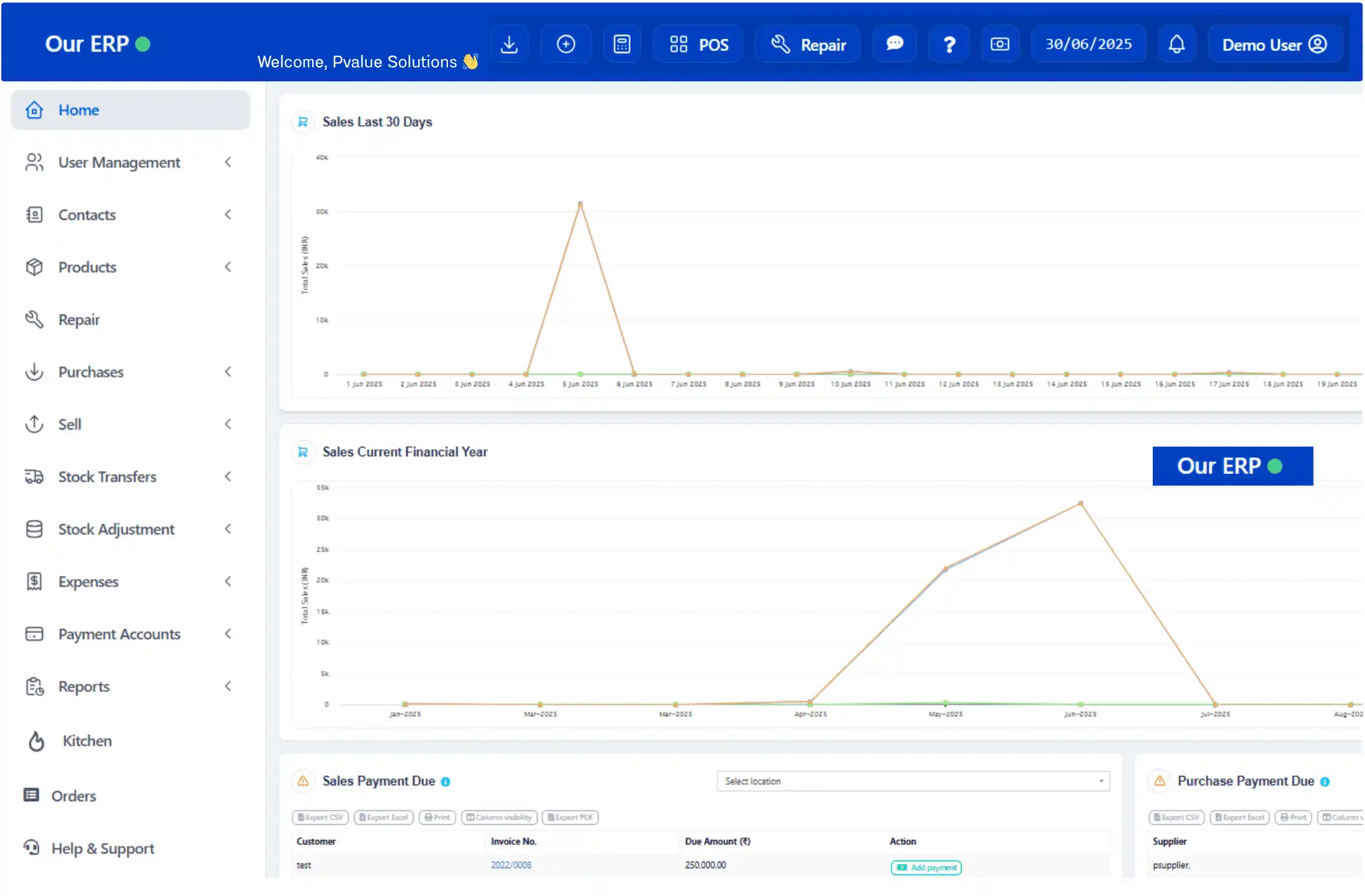
A roadmap showing the steps to implement inventory best practices

A Deeper Look into Best Practices

Understanding the key areas of focus is crucial for building a world-class hospital inventory management system.

A graph showing optimized inventory levels

Optimizing Stock Levels

The goal is to hold the minimum amount of inventory necessary to ensure excellent patient care without interruption.

  • Use PAR levels to define ideal stock quantities for each item.
  • Implement a First-Expired, First-Out (FEFO) strategy for dated items.
  • Classify inventory (e.g., ABC analysis) to focus control on high-value items.
A diagram showing automated inventory workflows

Leveraging Technology & Automation

Technology is the enabler of best practices, replacing error-prone manual tasks with efficient, automated workflows.

  • Use a centralized software platform as your single source of truth.
  • Implement barcode or RFID scanning for all inventory movements.
  • Automate purchase order generation based on reorder triggers.
A dashboard for managing hospital suppliers

Strategic Procurement & Supplier Mgmt.

A resilient supply chain depends on strong processes and relationships with your vendors.

  • Centralize purchasing to leverage bulk discounts.
  • Maintain an approved vendor list with contracts and lead times.
  • Track supplier performance on metrics like fill rate and on-time delivery.
Data analytics dashboard for hospital inventory consumption

Data-Driven Analytics & Reporting

Use the data from your inventory system to gain insights, control costs, and continuously improve processes.

  • Analyze consumption patterns by department, doctor, or procedure.
  • Generate reports on near-expiry, slow-moving, and non-moving items.
  • Use historical data to accurately forecast future demand.

“Adopting a systematic, best-practice approach to inventory, supported by the right technology, is no longer optional—it’s essential. It directly translates to lower costs, but more importantly, it’s a fundamental component of patient safety and quality of care.”

Dr. Priya Sharma
Healthcare Supply Chain Expert

How Mature is Your Hospital’s Inventory Process?

Process AreaTraditional MethodBest Practice Approach
Ordering ProcessManual, based on visual checksAutomated, based on PAR levels
Expiry TrackingManual checks, often missedSystem-driven FEFO & proactive alerts
Stock AuditsDisruptive annual physical countsContinuous cycle counting
Decision MakingBased on guesswork and intuitionBased on real-time data and analytics
TraceabilityDifficult or impossible to track batchesEnd-to-end lot/batch traceability
Charge CaptureManual, high rate of missed chargesAutomated at point of consumption
Staff InvolvementClinical staff waste time on logisticsStaff focus on patient care
ComplianceManual, paper-based records Digital, audit-ready trails
Adopt Best Practices

Controlling Costs with Best Practices

Effective inventory management has a direct and significant impact on a hospital’s financial health.

  • Reduce Expiry Waste: Implementing a FEFO (First-Expired, First-Out) system for pharmaceuticals and sterile supplies can save lakhs annually.
  • Optimize Carrying Costs: By preventing overstocking and holding optimal inventory levels, you free up valuable working capital.
  • Prevent Revenue Leakage: Automating charge capture at the point of care ensures all billable items are accurately charged to patients.

Improving Patient Outcomes

Ultimately, the goal of hospital inventory management is to ensure the highest quality of patient care.

  • Eliminate Stockouts: Best practices ensure that critical life-saving drugs and surgical supplies are always available for any emergency.
  • Prevent Use of Expired Items: Robust tracking and alerts prevent the accidental use of expired products, a major patient safety risk.
  • Enhance Clinical Focus: When inventory is managed efficiently, nurses and doctors spend less time on administrative tasks and more time with patients.

Put These Best Practices into Action

Learning is the first step. Now, see how OurERP’s specialized software is designed to implement these best practices seamlessly in your hospital.

Download Our Whitepaper

Get an in-depth, expert guide on “The Financial and Clinical Impact of Modern Hospital Inventory Management.”
  • Detailed Strategies
  • Case Studies
  • Implementation Checklists
  • Expert Insights
Download Now

Schedule a Free Consultation

Speak one-on-one with a hospital solutions expert to discuss your specific challenges and get a personalized demo of OurERP.
  • Personalized Assessment
  • Tailored Software Demo
  • ROI Analysis
  • No-Obligation Advice
Book a Consultation
Shopping Basket